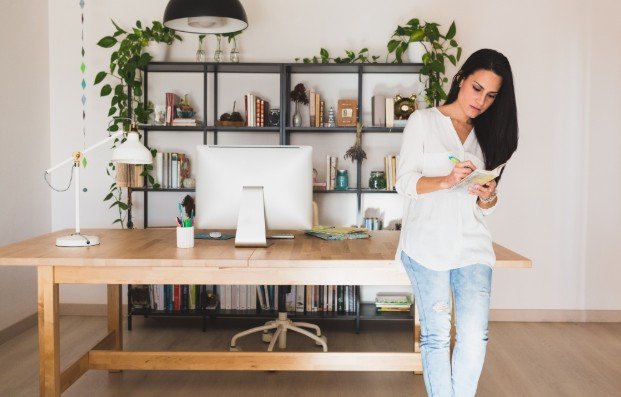
I started noticing how quickly a small space can feel overwhelming when everything does not have a clear place. That is when I realized the issue was not the size of the home but how the space was being used. Once I shifted my approach, everything began to feel more open, organized, and easier to manage.
That is exactly why small space strategies matter so much. The right setup can make a compact home feel efficient, calm, and even stylish without adding more clutter.
Why do small homes need a smarter DIY strategy?
A small space gets messy faster because every surface is visible. Even a little clutter can make the whole room feel tight and uncomfortable. I have found that adding more storage randomly does not fix the problem. The real solution is smarter storage.
The best-performing ideas focus on vertical storage solutions for living rooms, hidden compartments, and multi-use pieces. These strategies work because they reduce visual clutter while improving how the space functions daily.
How can Small Space DIY Solutions help you use vertical space better?
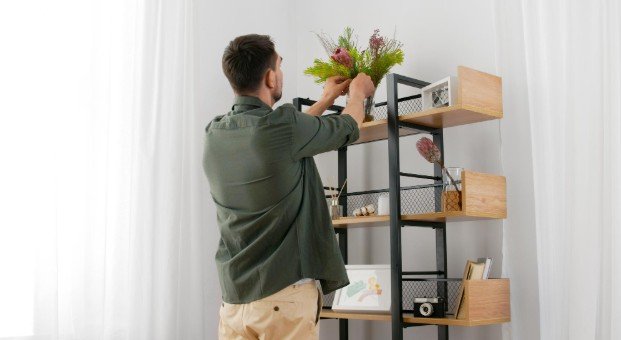
The first thing I always look at is unused wall space. Once I started using walls for storage, I noticed an immediate difference. Floating shelves, pegboards, and tall storage units create extra room without taking up valuable floor space.
Doors are another underrated area. Over-the-door organizers can hold shoes, cleaning supplies, or accessories. Even small additions like hooks or narrow racks can free up cabinets and keep things within reach.
This approach works in almost every room. Kitchens, bedrooms, and entryways all benefit from vertical storage because it keeps the floor clear and the space feeling open.
What furniture choices make the biggest difference in a small home?
Furniture plays a huge role in how a small space feels. I stopped buying pieces that only serve one purpose. Instead, I look for items that do more.
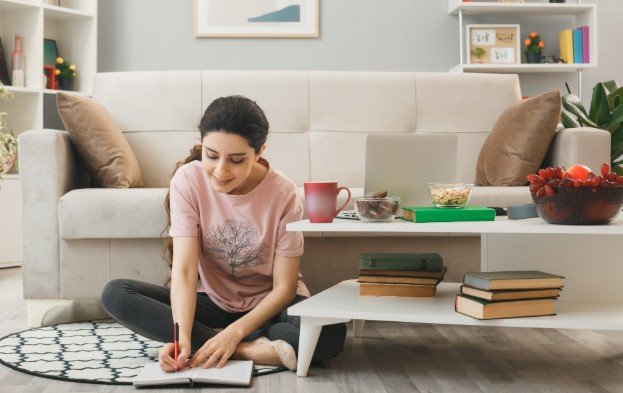
A bed with chest of drawers, a bench with hidden storage, or a coffee table with shelves can replace multiple pieces of furniture. That alone reduces clutter and creates more breathing room.
I also pay attention to size and shape. Slim furniture, open bases, and lighter designs make a space feel less crowded. Even small changes like switching to slimmer hangers or stackable storage can have a big impact.
Which Small Space DIY Solutions work best room by room?
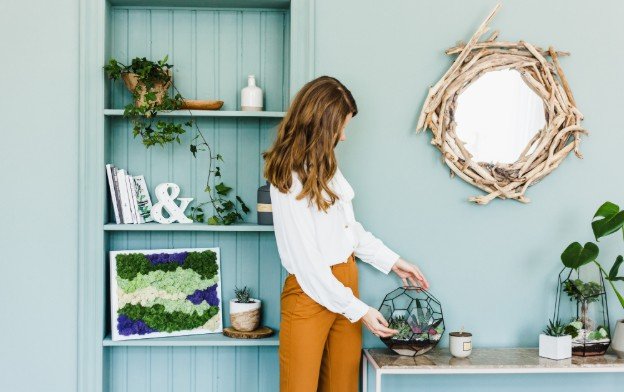
Different rooms need different solutions, and that is something I learned through trial and error. Treating every space the same does not work, and that’s where I started finding everyday DIY inspirations that actually fit each room’s purpose.
In the kitchen, I focus on cabinet efficiency and wall storage. In the bedroom, under-bed storage and closet organization make the biggest difference. Entryways benefit from simple systems like baskets and hooks that keep everyday items from piling up.
I also look for hidden or unused areas. Spaces under stairs, behind doors, or above cabinets can be turned into useful storage zones. These small upgrades often create the biggest results.
How do I plan a small-space DIY project without wasting money?
I always start by understanding what is actually causing the mess. Buying storage without a plan usually leads to wasted space and money.
First, I clear the area and group similar items together. Then I decide what needs to stay accessible and what can be stored away. Measuring the space carefully helps avoid dangerous everyday things in your home.
After that, I focus on one solution at a time. Whether it is adding a shelf, reorganizing a closet, or upgrading furniture, small changes are easier to manage and more effective in the long run.
How do you make a small room feel bigger without a major renovation?
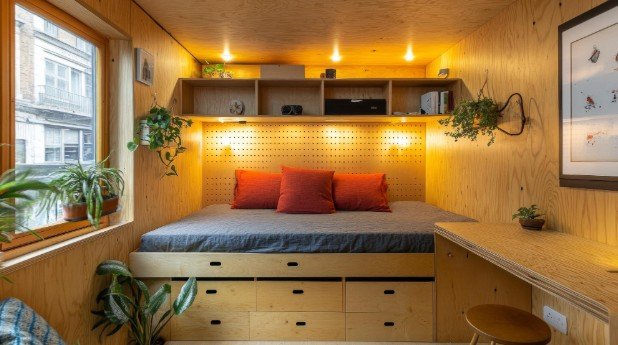
A small room feels bigger when it is organized well. Reducing clutter is the fastest way to create that effect.
I try to keep surfaces clean, use matching storage containers, and avoid overcrowding the space with too many items. Furniture with legs can also make a room feel lighter by allowing more visible floor space.
Lighting and layout also matter. Keeping pathways clear and allowing light to move freely across the room can instantly improve how spacious it feels.
Frequently Asked Questions
1. What is the easiest DIY upgrade for a small space?
The easiest upgrade is adding vertical storage. Wall shelves or over-the-door organizers can create extra space quickly without requiring major changes.
2. How can I organize a small space on a budget?
I focus on using what I already have first. Repurposing containers, rearranging furniture, and decluttering can make a big difference before buying anything new.
3. Are multi-purpose furniture pieces worth it?
Yes, they are one of the best investments for small spaces. They reduce the need for extra furniture and help keep the room organized.
4. What areas are most overlooked in small homes?
Behind doors, under beds, above cabinets, and unused corners are often ignored but can be turned into highly functional storage spaces.
Final Thoughts
I have realized that a small home does not have to feel limiting. Once I started using smarter layouts, better storage, and more intentional furniture, everything became easier to manage.
The goal is not to fit more into your space but to make your space work better for you. With the right approach, even the smallest home can feel organized, comfortable, and surprisingly spacious.