I didn’t think much about flooring until my hallway started telling a story I didn’t like. Scratches, dull spots, and constant cleaning made me rethink everything. That’s when I started researching the best flooring options for high traffic areas, and honestly, it changed how I look at home design.
If your home feels busy all day, from kids running around to pets sliding across floors, you need something that works with your lifestyle, not against it. I’ve tested, replaced, and lived with different materials, and I’m sharing what actually works in real life.
What are the best flooring options for high traffic areas in real homes?
When I looked for the best flooring options for high traffic areas, I focused on durability, comfort, and how easy it felt to live with daily. Not every “durable” floor feels good when you walk barefoot at 7 a.m.
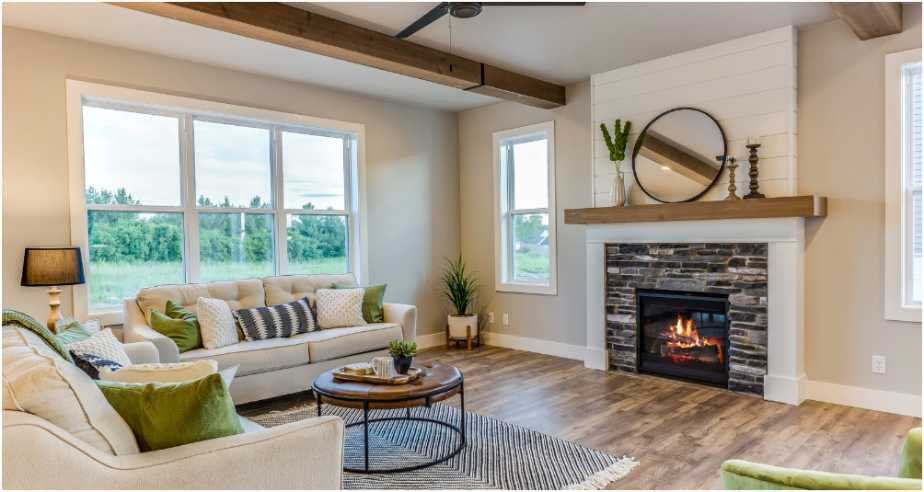
Luxury Vinyl Plank quickly stood out for me. It handles spills without stress, feels softer than tile, and doesn’t echo footsteps all day. I noticed the difference immediately, especially in my living room where everyone gathers.
Porcelain tile also impressed me, especially in entryways and kitchens. It resists scratches and moisture like nothing else. But I’ll be honest, it feels colder and harder, which matters if you spend long hours standing.
Laminate surprised me too. With the right AC4 or AC5 rating, it holds up well against scratches. I still avoid it in moisture-heavy areas, but in bedrooms or hallways, it performs well without draining your budget.
Why does luxury vinyl dominate the best flooring options for high traffic areas?
I didn’t expect to love vinyl flooring, but it ended up becoming my favorite. When people talk about the best flooring options for high traffic areas, LVP shows up again and again for good reason.
First, it handles real life. Spilled drinks, muddy shoes, pet accidents. I stopped worrying about damage because it simply doesn’t absorb water. That peace of mind alone makes a huge difference.
Second, it feels comfortable. I walk barefoot often, and LVP doesn’t feel harsh or cold. It adds a softer layer to everyday movement, which you start appreciating over time.
Third, maintenance stays simple. I sweep, mop, and move on. No special treatments or complicated routines. It fits into my daily habits without adding extra work.
Is tile still one of the best flooring options for high traffic areas?
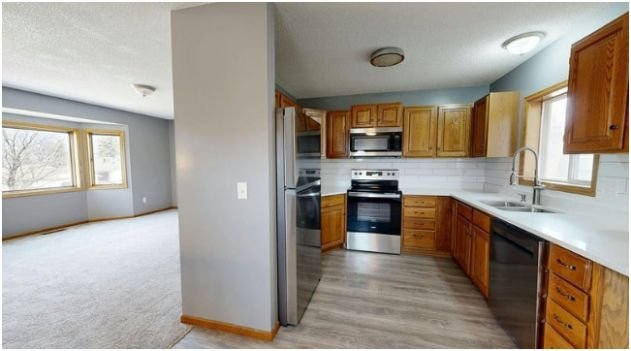
Tile never goes out of style, and I understand why. When I installed porcelain tile in my entryway, I noticed how well it handled dirt, moisture, and constant foot traffic.
It feels almost indestructible. Shoes, furniture, spills. Nothing seems to leave a mark. That’s why I still consider tile one of the best flooring options for high traffic areas, especially for kitchens and entrances.
But I also noticed the trade-offs. Standing on tile for long periods feels tough on your feet. In colder months, it feels even more noticeable. So while it excels in durability, it doesn’t always win in comfort.
If you live in a warmer climate, tile becomes more appealing. It stays cool and helps regulate indoor temperature naturally, which adds to everyday comfort.
How do laminate and concrete compare for busy households?
Laminate became my go-to recommendation for anyone on a budget. I’ve seen how modern laminate holds up, especially when you choose AC4 or AC5 ratings.
It resists scratches extremely well. Pet claws, moving chairs, and daily use barely affect it. For homes with kids and pets, that’s a big win. But I always remind people that it doesn’t love water.
Concrete surprised me in a completely different way. I didn’t use it in my home, but I’ve seen it in modern homes for instant upgrades. It feels solid, almost permanent. It handles heavy use easily and requires very little maintenance.
Still, concrete feels very hard and industrial. It works well in specific designs, but it doesn’t fit every home style. You need to balance aesthetics with comfort when considering it.
How to choose the best flooring options for high traffic areas step by step
When I replaced my flooring, I followed a simple process that made the decision easier and more practical.
First, I looked at how each space functions daily. Entryways deal with dirt and moisture, while living rooms need comfort. This helped me avoid choosing one material for everything.
Next, I checked durability ratings. For vinyl, I focused on wear layers above 20 mil. For laminate, I chose AC4 or AC5 ratings. These details matter more than brand names.
Then, I tested how the flooring feels. I stood on samples, walked around, and imagined daily routines. Comfort matters more than you think, especially over time.
After that, I considered maintenance. I asked myself how much effort I want to spend cleaning every week. Floors should support your lifestyle, not complicate it.
Finally, I thought about long-term value. Some options cost more upfront but save money over time because they last longer and need fewer repairs.
Which flooring features matter most for high traffic areas?
I started paying attention to specific features instead of just materials. That changed everything.
Waterproofing became my top priority. It prevents damage and reduces stress. LVP and tile perform best here, while laminate offers limited resistance.
Scratch resistance matters just as much. Homes with pets or kids need surfaces that don’t show every mark. Laminate and tile handle this extremely well.
Comfort and feel also play a role. Hard surfaces like tile and concrete last long, but softer options like vinyl improve everyday living. I always balance durability with comfort.
Here’s a quick comparison I use when deciding:
| Flooring Type | Waterproof | Scratch Resistance | Comfort Level |
| Luxury Vinyl | Yes | High | Soft |
| Porcelain Tile | Yes | Excellent | Hard |
| Laminate | Partial | Very High | Medium |
| Concrete | Yes | Excellent | Very Hard |
What are the best flooring options for high traffic areas for families with pets and kids?
If you live with pets and kids, your flooring works overtime. I learned this quickly when scratches started showing up everywhere.
LVP became my top choice because it handles both claws and spills. It also provides better traction when you choose textured finishes, which helps prevent slipping.
Laminate works well too, especially for scratch resistance. But I avoid using it near water-prone areas like kitchens or laundry rooms.
Tile handles heavy traffic easily, but I stay cautious with pets. It can feel slippery if the surface isn’t textured. Choosing the right finish makes a big difference here.
Key Takeaways
Choosing flooring doesn’t need to feel overwhelming once you focus on how you actually live.
Luxury Vinyl Plank stands out as the most balanced option. It combines waterproofing, comfort, and easy maintenance in a way that fits daily routines.
Porcelain tile offers unmatched durability, especially in high-impact zones like entryways and kitchens.
Laminate gives you strong scratch resistance at a lower cost, but it requires careful placement.
The best choice always depends on your lifestyle, not just trends.
FAQs
1. What is the most durable flooring for heavy foot traffic?
Porcelain tile and concrete handle the most wear without damage. They resist scratches, moisture, and impact. I use tile in entry areas because it stays strong even with constant use.
2. Is vinyl better than laminate for busy homes?
Yes, I prefer vinyl because it handles water and feels more comfortable. Laminate works well for scratches, but vinyl gives more flexibility for everyday life.
3. What flooring works best for pets?
Luxury vinyl works best for pets. It resists scratches and provides better grip. I always recommend textured finishes to prevent slipping and improve comfort.
4. How long does high traffic flooring last?
Good quality flooring lasts 10 to 25 years depending on material. Vinyl and tile last longer with proper care, while laminate depends more on usage and maintenance.
So… what flooring actually survives real life?
After testing different options, I stopped chasing trends and focused on what makes daily life easier. The best flooring options for high traffic areas don’t just look good on day one. They keep working for you every single day.
I now choose floors based on how they feel at the end of a long day. Comfort, durability, and ease matter more than anything else.
If I had to give you one tip, it’s this. Choose flooring that matches your routine, not your Pinterest board. Your future self will thank you every time you walk through your home.