

There was a point when I kept asking myself when to move baby to own room because sleep had become unpredictable for both of us. Between safety concerns and constant wake-ups, the decision felt overwhelming. If you are in that same phase, this guide will help you understand what really matters and how to move forward with confidence.
When To Move Baby To Own Room: General Recommendations
Following what generally is said by experts:
What Experts Say About Timing
Health experts strongly recommend room sharing during the early months. This means your baby sleeps in the same room but on a separate surface like a crib or bassinet. This approach supports safety while allowing you to respond quickly to your baby’s needs.
The six month mark is widely accepted as the minimum recommended time before moving your baby. By this stage, the risk associated with early infancy decreases, and babies begin to develop more stable sleep patterns.
The 6 To 12 Month Window
While six months is the baseline, many parents choose to transition between six and twelve months. This period offers flexibility based on your baby’s development and your household routine.
Some families wait longer because they feel more comfortable keeping their baby close. Others move earlier within this window once sleep becomes more predictable and manageable.
The 4 Month Consideration
Some studies suggest that babies may sleep longer stretches when moved earlier, around four months. However, this is not the standard recommendation and should be approached carefully.
If sleep disruptions are affecting everyone, some parents explore this option. The focus should always remain on maintaining a safe sleep environment and monitoring your baby closely.
Moving Your Baby Based On Readiness Signs
Outgrowing The Bassinet
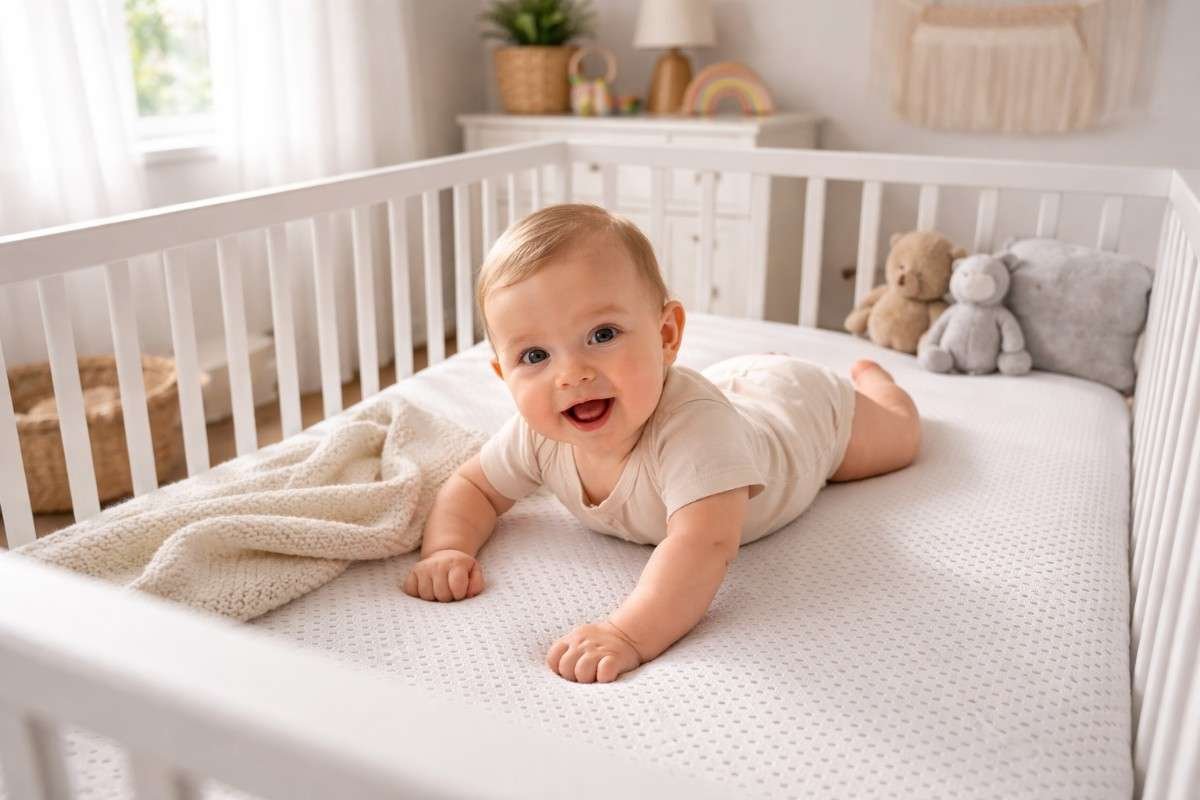
One of the clearest signs is when your baby outgrows the bassinet. If your baby’s movements are restricted or they are reaching size limits, it is time to consider a crib setup.
A crib provides more space and better long-term safety, especially as your baby becomes more active during sleep.
Increased Mobility And Rolling
When babies start rolling or showing increased movement, their sleep environment needs to adapt. This often happens between four and six months.
At this stage, a crib becomes the safer option, and moving to a separate room may naturally follow as part of that transition.
Sleep Disturbances For Both Of You
Sometimes, the biggest sign is how often both of you are waking up. Babies can be sensitive to noise, light, and movement, while parents often react to every small sound.
If sleep is constantly interrupted, moving your baby may actually improve rest for everyone involved.
Longer Sleep Stretches
When your baby begins sleeping for longer periods without frequent feeding, the transition becomes easier. Fewer wake-ups mean less need for immediate proximity.
This is often the point where many parents feel more confident about making the move.
Safe Timing And Sleep Guidelines
Understanding Safety Guidelines
Safety is always the priority when deciding when to move baby to own room. Babies should always sleep on a firm mattress with no loose blankets, pillows, or toys. Placing your baby on their back for sleep remains one of the most important safety practices.
Room Setup And Environment
The baby’s room should be quiet, dark, and comfortable. A consistent temperature between 68 and 72 degrees helps create a stable sleep environment. White noise can also help maintain consistency, especially if your baby is used to it.
Using A Baby Monitor
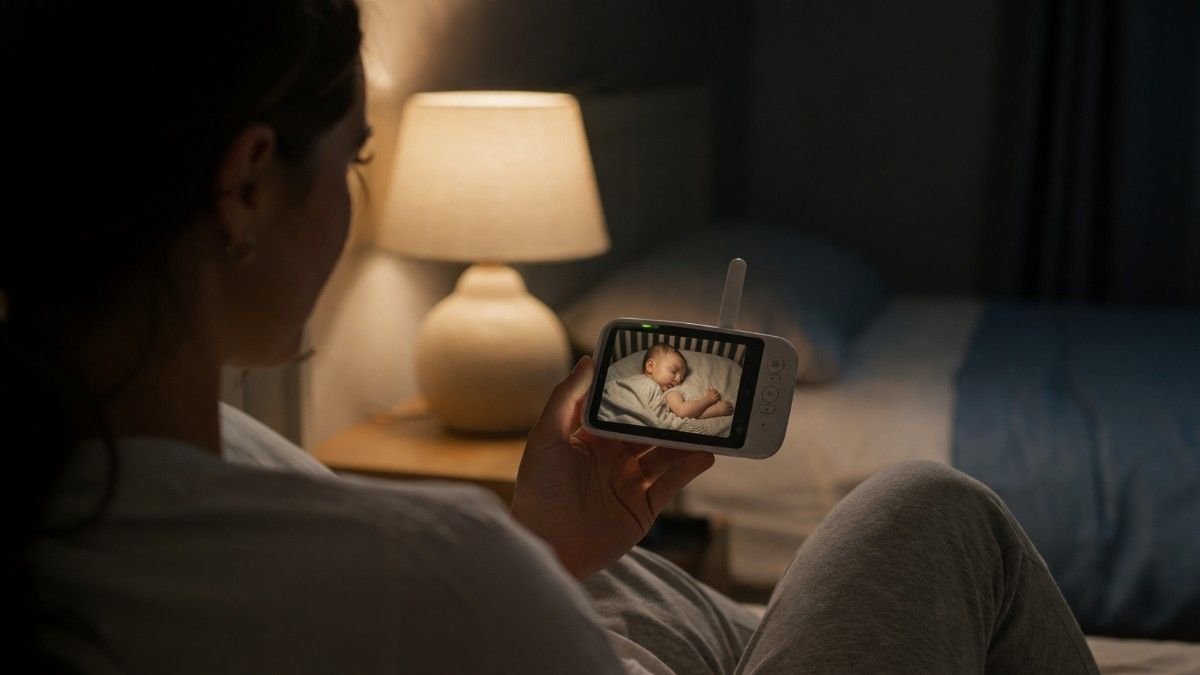
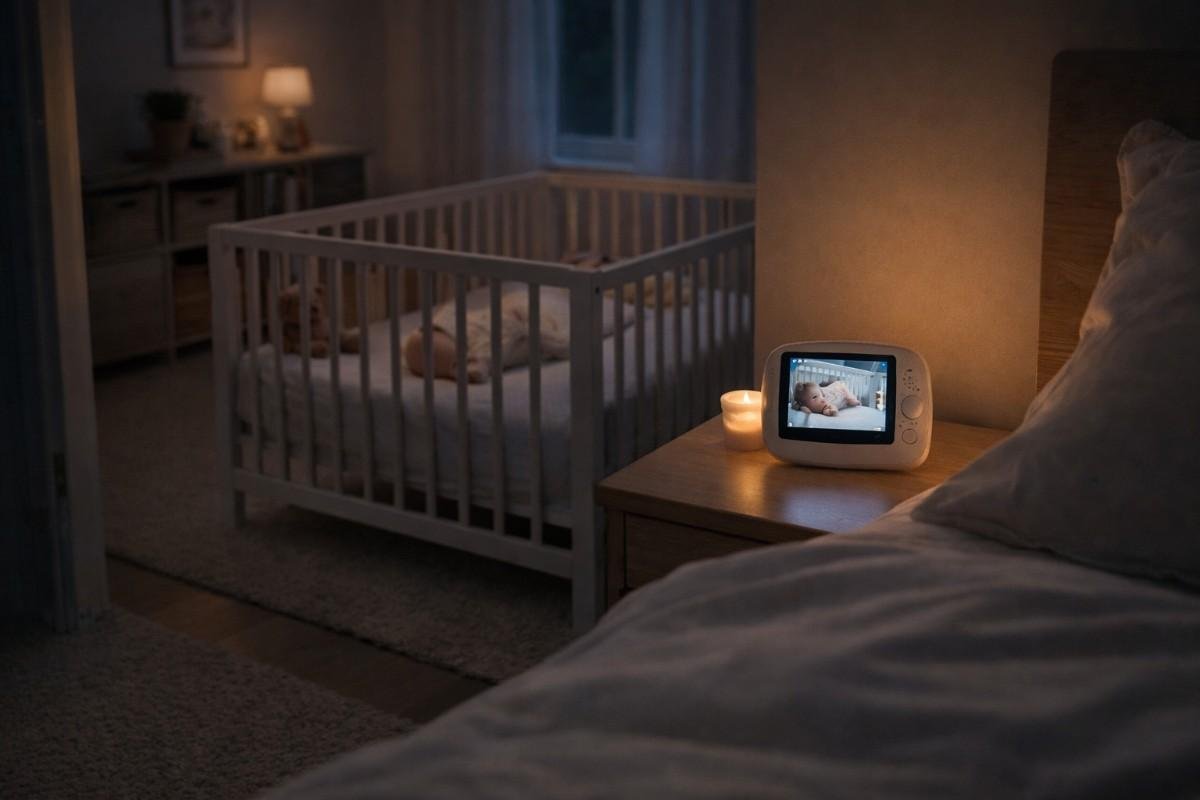
A reliable baby monitor provides reassurance once your baby is in another room. It allows you to observe and respond quickly without needing to be physically present at all times. This small addition can make a big difference in how confident you feel during the transition.
Smooth Transition Without Stress
The baby must also feel easy about shifting to a new environment.
Start With Daytime Naps
One of the easiest ways to begin is by introducing naps in the new room. This helps your baby become familiar with the space during low-pressure situations. Over time, the room becomes a place your baby associates with rest and comfort.
Keep The Routine Consistent
Maintaining the same bedtime routine is essential. Whether it includes feeding, reading, or gentle rocking, consistency helps your baby feel secure. The only change should be where your baby falls asleep, not how they get there.
Gradual Night Transition
Instead of switching overnight completely, you can start with the first stretch of nighttime sleep in the new room. Gradually extend this as your baby adjusts. This step-by-step approach reduces stress and makes the transition feel natural.
Smart Nursery Setup That Works
Setting up a nursery for your little one that makes them feel comfortable:
Organizing Essentials Efficiently
When I set up the baby’s room using baby room decor, having a cube storage organizer made everything easier. I placed diapers, wipes, and extra clothes within arm’s reach to simplify nighttime routines. This setup saved time and helped me stay calm during late-night wake-ups.
Creating A Practical Layout
I arranged items based on frequency of use, keeping daily essentials at eye level. Less frequently used items were stored in lower sections to keep the space neat. This simple system reduced clutter and made the room feel more functional.
Maintaining A Calm Environment
A well-organized room contributes to a peaceful atmosphere. I kept the decor minimal and avoided overcrowding the space with unnecessary items. A clean and calm environment made it easier for my baby to settle into sleep.
Common Mistakes To Avoid
Avoid these commonly made errors for your baby’s smooth transition to another room:
Moving Too Quickly
Rushing the transition can lead to disrupted sleep patterns. It is important to give your baby time to adjust gradually. A slower approach often leads to better long-term results.
Changing Too Many Things
Introducing multiple changes at once can confuse your baby. It is better to keep routines stable while only changing the sleeping location. This consistency helps your baby adapt more easily.
Ignoring Baby’s Signals
Your baby’s behavior provides important clues. If your baby becomes unsettled or restless, it may be a sign to slow down the transition. Listening to these cues can make the process smoother.
Frequently Asked Questions
1. When To Move Baby To Own Room Safely?
Most experts recommend waiting until at least six months. Many families transition between six and twelve months based on readiness and sleep patterns.
2. Can I Move Baby At 4 Months?
It is possible but not generally recommended. If done, ensure a safe sleep environment and monitor closely.
3. Will Baby Sleep Better In Own Room?
Many babies sleep longer with fewer disturbances, especially once they develop consistent sleep habits.
4. How Do I Know Baby Is Ready?
Signs include longer sleep stretches, reduced night feeding, and increased independence during sleep.
Final Thoughts That Make It Easier
Deciding when to move baby to own room comes down to balancing safety, sleep quality, and your baby’s readiness. There is no single perfect moment, but understanding the guidelines and watching for signs can make the decision easier. Trust your instincts, stay consistent, and you will find a transition that works naturally for your family.