I used to think being alone in nature would feel… lonely. Quiet in an uncomfortable way. Like I’d run out of things to do or feel awkward just sitting there.
But the first time I actually tried it—no distractions, no rush—I realized something surprising. It didn’t feel empty. It felt peaceful.
That’s when I started exploring different things to do in nature alone, and over time, those moments became something I genuinely looked forward to. Not as an escape, but as a reset.
If you’ve never tried it before, this might be one of the simplest ways to reconnect with yourself.
Why Doing Things in Nature Alone Feels So Different
There’s something about being alone outdoors that feels different from being alone indoors.
You’re not surrounded by noise, screens, or constant stimulation. Instead, your mind slows down naturally.
This is closely connected to the benefits of spending time in nature, especially when you remove distractions and allow yourself to be present.
It also helped me understand why nature feels so calming. Without interruptions, your senses become more aware, and your thoughts feel less overwhelming.
How I Got Comfortable Spending Time Alone in Nature
At first, I kept it simple.
Short walks. Sitting outside for a few minutes. No expectations.
I didn’t try to “do something productive.” I just allowed myself to be there.
Over time, I started experimenting with small habits like grounding techniques in nature, focusing on my breath, the sounds around me, and how my body felt.
That’s when being alone stopped feeling unfamiliar and started feeling natural.
Simple Things to Do in Nature Alone That Actually Feel Good
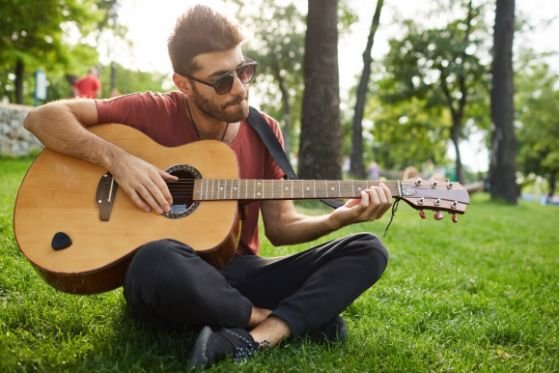
You don’t need a long list of activities. The best ones are simple and flexible.
One of my favorites is just walking slowly without a destination. That’s where romanticizing nature walks naturally comes in—turning a simple walk into something meaningful.
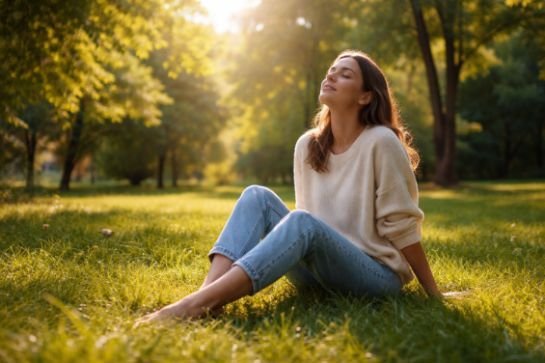
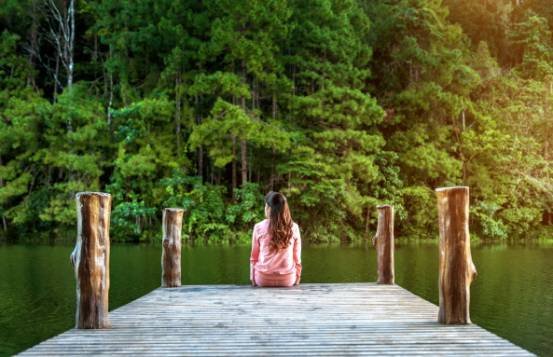
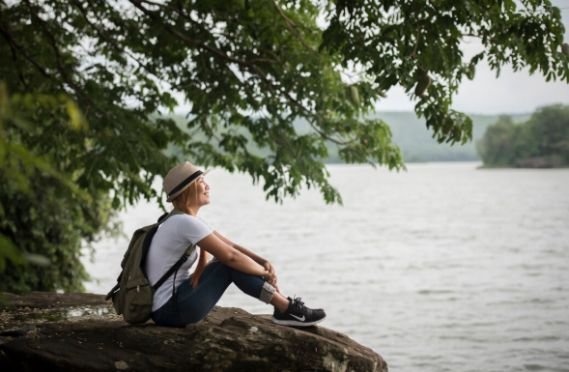
I also enjoy sitting quietly and observing my surroundings. Watching how light changes, noticing small details, or just breathing deeply.
Sometimes I bring a journal and write whatever comes to mind. Other times, I do nothing at all—and that’s enough.
Creative Things to Do in Nature Alone
When I want to make it a bit more engaging, I try creative activities.
Sketching, even if it’s basic.
Taking photos, not for social media, but for myself.
Writing thoughts, ideas, or reflections.
These activities help me stay present while still giving my mind something gentle to focus on.
How to Make Time for Solo Nature Moments
One of the biggest challenges is finding time.
But I’ve realized you don’t need to set aside hours.
You can use easy ways to enjoy nature in a busy schedule, like stepping outside during breaks or taking short walks between tasks.
Even 10–15 minutes can feel refreshing when you’re fully present.
How Solo Time in Nature Changes Your Mindset
This was the biggest shift for me.
Spending time alone outdoors made me more comfortable with silence. It helped me think more clearly and feel less overwhelmed.
It also reduced my need for constant distraction.
Over time, I started feeling more independent and more connected to myself.
This also influenced my lifestyle. I became more mindful and naturally leaned toward habits like a zero waste nature lifestyle, focusing on simplicity and intention.
Exploring Deeper Nature Experiences Alone

Once I got comfortable, I started exploring deeper experiences.
One of the most interesting was learning about forest bathing benefits, which focus on slow, mindful immersion in nature.
Instead of doing more, you do less.
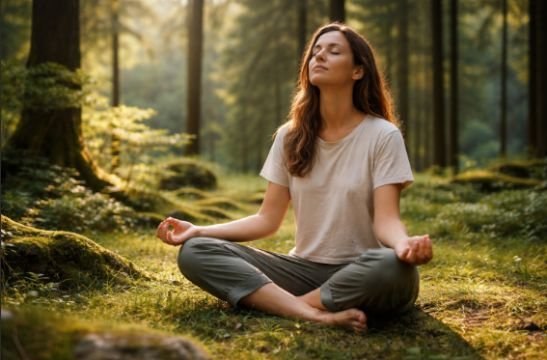
You walk slowly, notice details, and allow yourself to fully experience the environment.
It’s simple, but incredibly calming.
Common Fears About Being Alone in Nature
I’ve had these thoughts too.
“What if I get bored?”
“What if it feels awkward?”
“What if I don’t know what to do?”
The truth is, those feelings fade quickly.
Once you allow yourself to be present, you realize you don’t need constant activity to enjoy the moment.
FAQs
1. Is it normal to feel uncomfortable being alone in nature at first?
Yes, it’s completely normal. It takes time to adjust, but it becomes more natural with practice.
2. How long should I spend alone in nature?
Start with short sessions, like 10–20 minutes, and increase gradually as you get comfortable.
3. Do I need to plan activities in advance?
Not at all. Some of the best moments come from simply being present without a plan.
4. Can this actually improve mental health?
Yes, spending time alone in nature can reduce stress, improve focus, and increase emotional clarity.
Why Spending Time Alone in Nature Feels So Refreshing
What I’ve learned is that you don’t need constant noise, activity, or company to feel fulfilled.
Sometimes, the best moments come from slowing down and being alone with your thoughts.
Exploring things to do in nature alone isn’t about filling time—it’s about creating space.
And once you experience that kind of calm, it becomes something you naturally return to, again and again.