I used to believe creating a modern home meant spending a lot or hiring professionals. Over time, I realized the biggest changes came from small, practical upgrades I could actually finish. The way a home feels day to day matters more than how expensive it looks.
That shift completely changed how I approach home projects. Instead of chasing trends, I focus on simple improvements that make my space easier to use, cleaner to maintain, and more comfortable to live in.
Why do modern DIY projects work so well in real homes?
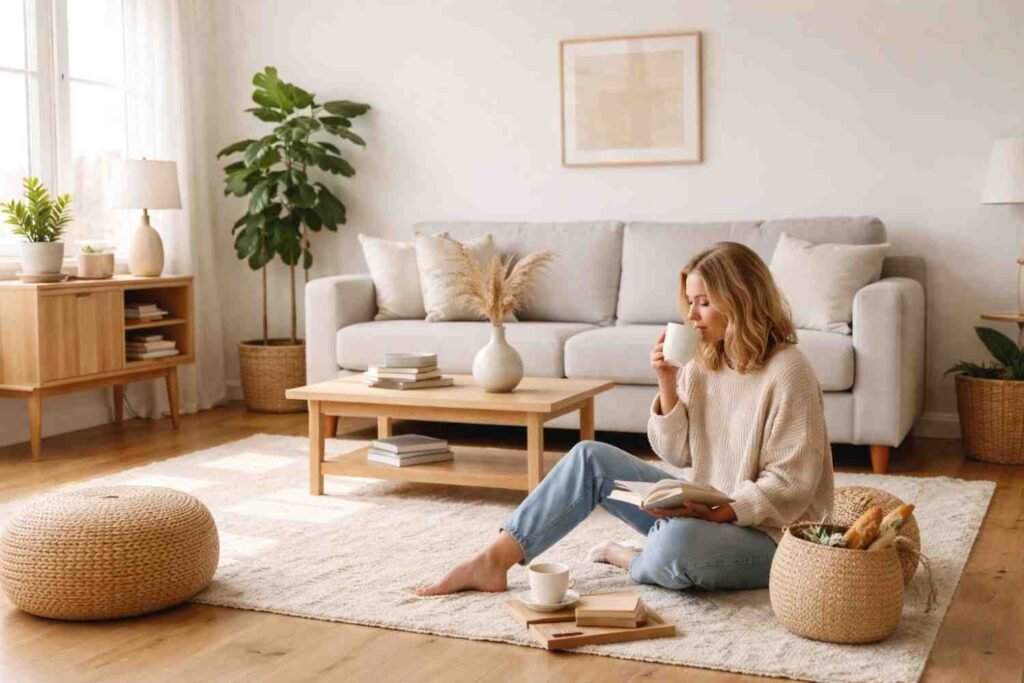
Modern homes feel better when they are functional first and stylish second. I have noticed that the most impactful changes are the ones that use a decluttering method, improve lighting, and create a sense of calm. A clean layout often does more than adding extra decor.
The reason this approach works is simple. It focuses on how you actually live. When a space feels organized and intentional, it naturally looks more modern without needing constant updates.
What are the easiest ways to start Practical DIY for Modern Homes?
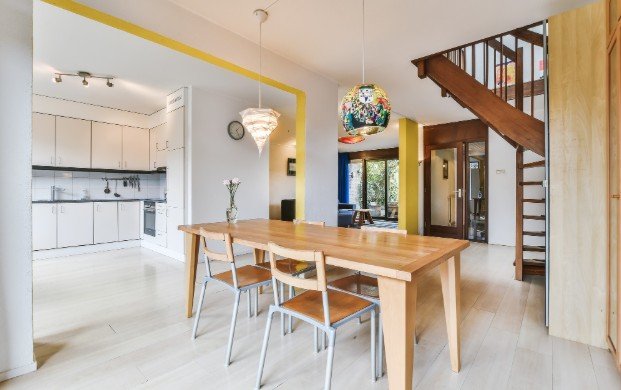
I always start with what I can see right away. Clearing surfaces like countertops, tables, and shelves makes a huge difference. It helps me understand what the space actually needs instead of adding more things.
From there, I choose one small upgrade with a big visual impact. It could be changing cabinet handles, adding better lighting, or organizing everyday items into matching containers. These small changes build momentum and make the home feel instantly more put together.
Which DIY projects make a home look modern fast?
Swapping hardware is one of the fastest upgrades I rely on. Updating handles and knobs in kitchens, bathrooms, or furniture can instantly refresh the look of a room without much effort. Paint is another powerful tool. Even a single wall in a soft neutral tone can make a space feel more refined.
I have seen how controlled color palettes create a calm, modern feel without overwhelming the room. Lighting also plays a big role. Replacing outdated fixtures or adding layered lighting changes how a room feels at different times of the day. It makes the space feel intentional instead of flat.
How can you make storage look stylish instead of bulky?
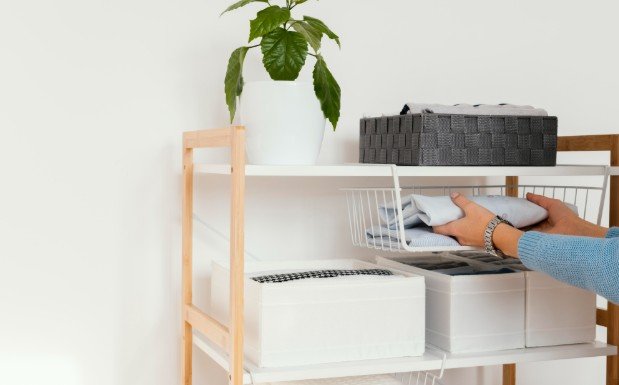
Storage should blend into the room instead of standing out. I prefer using matching bins, baskets, and low-profile organizers that keep things hidden but accessible. This keeps the space looking clean without sacrificing function.
I also make use of vertical space whenever possible. Wall-mounted shelves, hooks, and slim cabinets help free up floor space and make the room feel larger. It is a simple shift, but it has a big impact.
How do you update a modern home on a realistic budget?
The biggest lesson I learned is to stop trying to fix everything at once. Breaking projects into smaller steps makes them manageable and easier to finish. This mindset is at the core of most DIY home organization hacks, where small, consistent changes create long-term results.
I usually focus on one area at a time, starting with spaces I use daily. That way, every improvement feels useful right away. Moving items around before buying anything also helps me avoid unnecessary spending and makes better use of what I already have.
How-To: How I plan Practical DIY for Modern Homes step by step
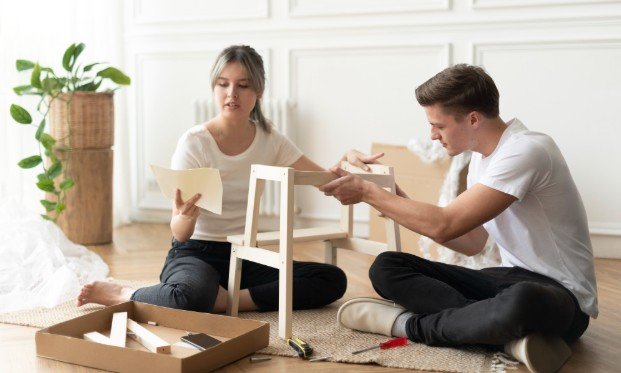
The first step I take is identifying what feels off in my space. I walk through each room and notice what creates friction in daily life. It might be clutter, poor lighting, or lack of storage. Next, I pick one clear goal for one room. Keeping it simple helps me stay focused and actually complete the project. I avoid stacking multiple changes into one weekend.
Then I set limits. I decide how much time and money I want to spend before I begin. This keeps the project realistic and prevents it from becoming overwhelming. After that, I focus on function first. I make sure the change improves how the room works before worrying about how it looks. Once that is done, I add a small finishing touch to make the space feel complete.
What mistakes make DIY homes look less modern?
Doing too much at once is the most common mistake. Filling every surface or adding too many elements can make a space feel cluttered instead of modern. Another issue is mixing too many styles without a plan.
Keeping a consistent palette and repeating materials across rooms helps everything feel connected. Ignoring home maintenance is another problem. A space looks modern when it is easy to clean and stay organized over time.
Why is Practical DIY for Modern Homes better than trend chasing?
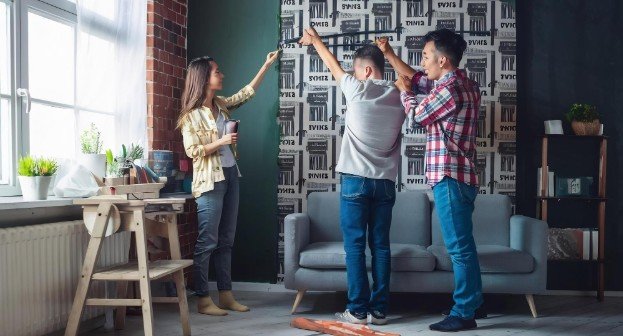
Trends change quickly, but practical upgrades last longer. I prefer focusing on improvements that make daily life easier rather than chasing what is popular at the moment.
That approach creates a home that feels stable, functional, and still visually appealing. It removes the pressure to constantly update and makes each project more meaningful.
Frequently Asked Questions
1. What is the best first DIY project for a modern home?
Starting with decluttering or updating hardware is usually the easiest and most effective. These projects are simple but create noticeable results right away.
2. Can I make my home look modern without renovating?
Yes, you can. Small changes like better lighting, organized storage, and a fresh coat of paint can transform a space without major work.
3. What colors work best for a modern DIY home style?
Neutral tones like white, beige, grey, and muted greens work well. They create a calm base and make it easier to layer decor.
4. How do I keep DIY projects from making my home feel cluttered?
Focus on function first and avoid over-decorating. Leaving open space and using consistent materials helps maintain a clean look.
Final Thoughts
I have learned that creating a modern home is less about big transformations and more about small, intentional changes. Each upgrade should make life easier, not more complicated.
If I were to start again, I would keep things simple, focus on one improvement at a time, and build from there. Practical DIY for Modern Homes works because it brings together style and function in a way that actually fits everyday living.