
I didn’t realize how much money I was wasting until I checked my bank statement one random Sunday evening. Small purchases, random online orders, food deliveries, things I thought were “cheap”, together they were a serious amount of money. The problem wasn’t that I didn’t earn enough. The problem was that I kept buying things I didn’t really need.
If you’re trying to figure out how to stop buying unnecessary things, the solution is not extreme budgeting or never shopping again. The real solution is understanding why you buy things, what triggers your spending, and creating small systems that make spending harder and saving easier. Once you fix the behavior, the money problem slowly fixes itself.
Why We Buy Things We Don’t Actually Need

Most unnecessary spending is not logical. It is emotional. People rarely buy things because they truly need them. They buy because they are bored, stressed, influenced by ads, or trying to reward themselves after a long day. Shopping gives a quick dopamine hit, which makes you feel happy for a short time, and then later, you feel regret when you see your bank balance.
Modern shopping has also become extremely easy. One-click checkout, saved cards, instant payments, and same-day delivery remove the time between wanting something and buying it. When there is no pause, there is no thinking. That is why impulse buying has become such a common problem.
So if you want to stop unnecessary spending, the goal is simple: create friction between the desire and the purchase.
Disrupt The “Buy Now” Habit
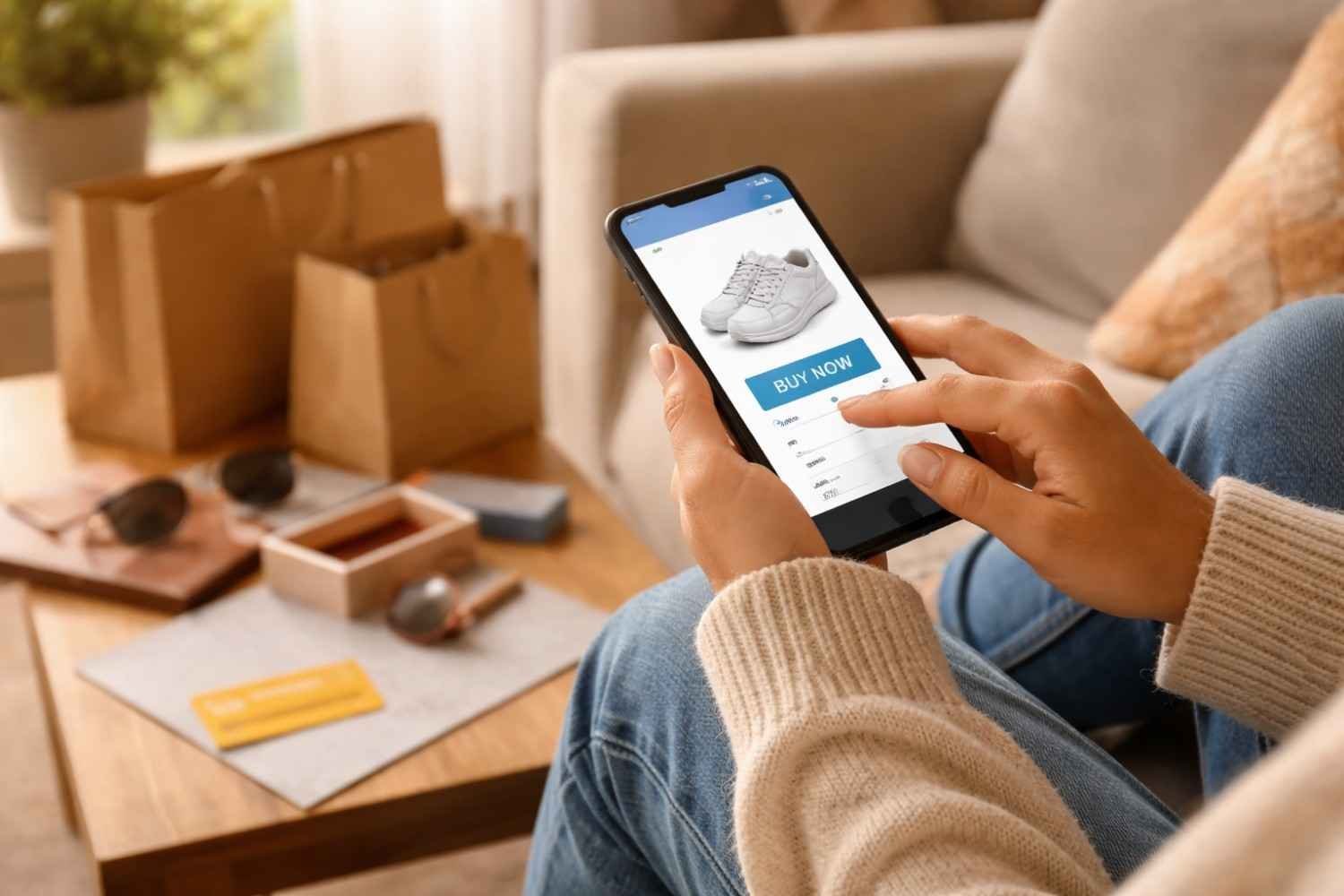
Retail apps and online stores are designed to make buying fast and effortless. To control spending, you need to make buying slightly inconvenient again, so your logical brain has time to think.
Here are some simple systems that actually work:
- Delete saved card details from shopping apps
- Use the 24-hour rule before buying anything non-essential
- Take a screenshot of the item instead of adding it to the cart
- Keep items in your cart for a few days before buying
- Avoid shopping when you are bored or stressed
The 24-hour rule alone can reduce impulse buying a lot. Most things feel urgent at night and unnecessary the next morning. Delaying purchases is one of the easiest ways to change spending habits.
Identify Your Spending Triggers
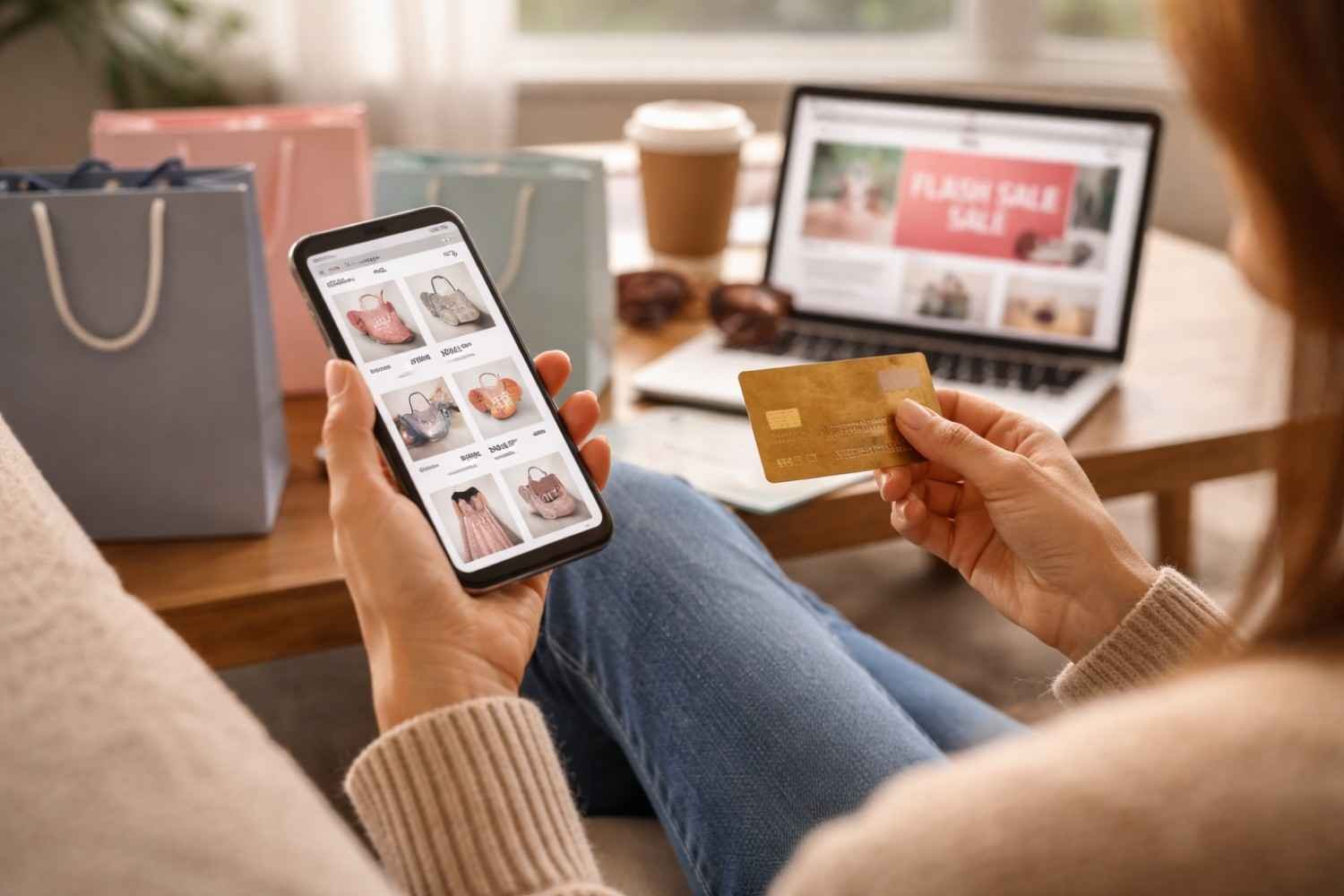
If you want to learn how to stop buying unnecessary things, you have to identify what triggers your spending. Everyone has different triggers. Some people shop when they are stressed. Some shop when they are bored. Some shop after seeing social media ads. Some shop because of discounts and sales.
Pay attention to when you usually spend money unnecessarily. You will start noticing patterns.
Common spending triggers include:
- Boredom scrolling
- Stress or bad mood
- Sales and discounts
- Social media influencers
- Late-night online shopping
- Rewarding yourself after work
- Food delivery when tired
- Subscriptions you forgot about
Once you identify your triggers, the next step is to replace the habit instead of just trying to stop it. If you shop when bored, go for a walk, watch something, call a friend, or do something else that doesn’t involve spending money.
Create Financial Guardrails That Limit Damage
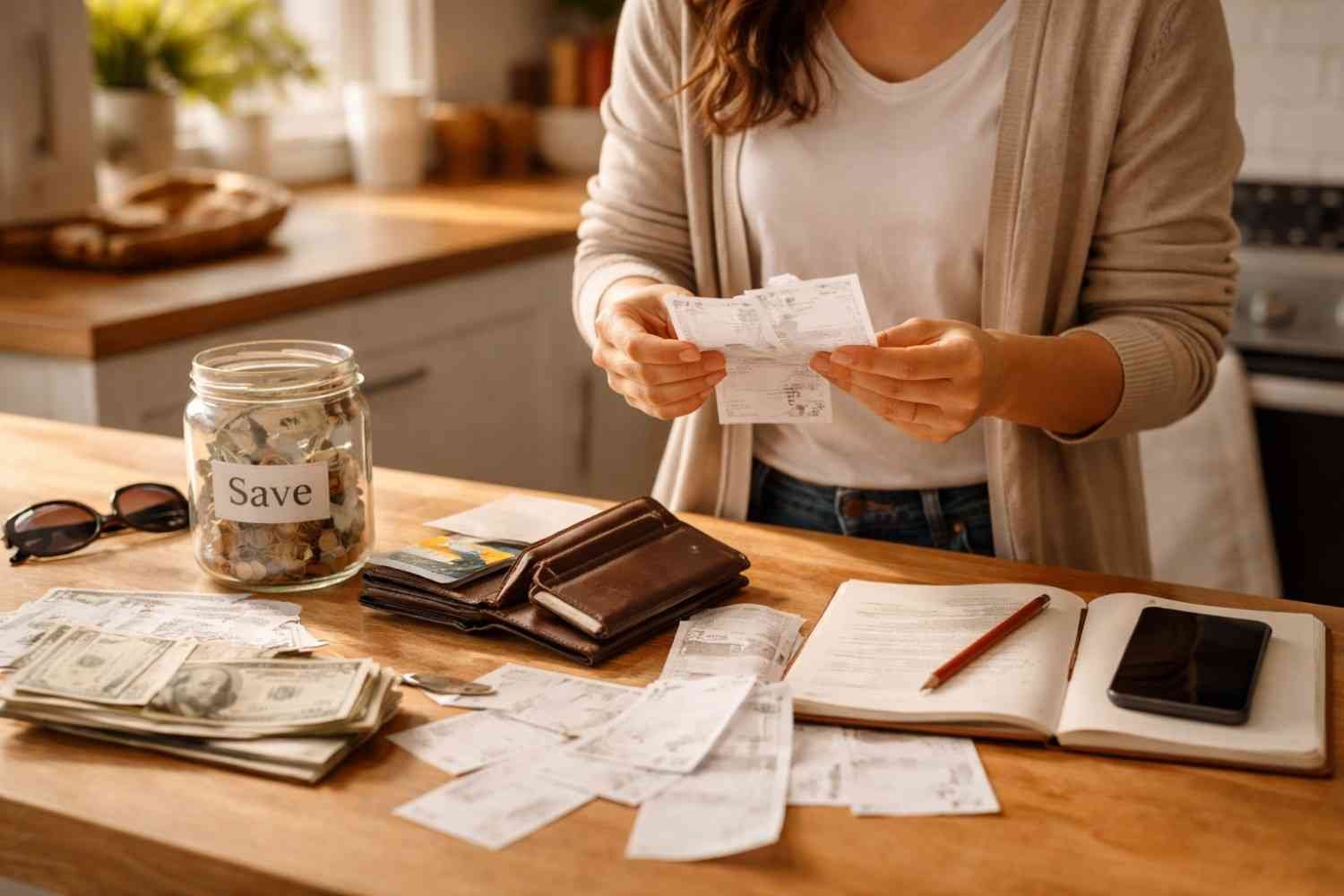
Relying only on willpower rarely works. Systems work better than motivation. If you create systems that control your spending automatically, you don’t have to fight yourself every day.
Some practical financial guardrails you can use:
- Use cash for fun or personal spending
- Transfer money to savings right after the salary comes in
- Set a monthly spending limit
- Track your expenses weekly
- Try a no-spend challenge for a month
- Remove shopping apps from your phone
- Unsubscribe from marketing emails
One very effective rule is the 2x rule. If you want to buy something unnecessary, you must transfer the same amount into savings or investments. If you cannot afford to save that amount, you cannot afford the item.
This rule quickly reduces unnecessary spending and increases savings at the same time.
Ask Yourself These Questions Before Buying Anything

This is one of the most powerful daily routines for mindful spending. Before you buy anything that is not essential, ask yourself a few questions. These questions force you to think logically instead of emotionally.
Ask yourself:
- Would I buy this if it were full price?
- How many hours of work does this cost me?
- Where will I keep this in my house?
- Will I still use this after six months?
- Do I actually need this, or am I just bored?
- Am I buying this because I saw someone else buy it?
These questions sound simple, but they can stop many impulse purchases immediately.
FAQs: A Realistic Guide On How To Stop Buying Unnecessary Things
1. How do I control the urge to buy things?
Delay the purchase using the 24-hour rule, remove saved payment methods, and avoid browsing shopping apps when bored. Most urges disappear if you wait.
2. Why do I keep buying things I don’t need?
Most people buy due to emotional spending, boredom, stress, or social media influence rather than actual need. Identifying triggers helps control spending.
3. Does the 24-hour rule actually work?
Yes, delaying purchases reduces impulse buying because it gives your logical brain time to evaluate whether you really need the item.
4. What is the easiest way to stop unnecessary spending?
Track your expenses, remove shopping apps, set a monthly spending limit, and move money to savings immediately after you receive your income.
Final Thoughts
Learning how to stop buying unnecessary things is less about money and more about behaviour. Most people don’t have an income problem; they have a spending habit problem. Small purchases, random online orders, subscriptions, and impulse buys slowly drain your money without you realizing it. Once you become aware of your triggers and create systems that slow down your spending, you start gaining control over your finances.
You don’t need to stop buying everything. You just need to start buying intentionally, not emotionally. When you control your spending, you automatically start saving, investing, and building financial stability.