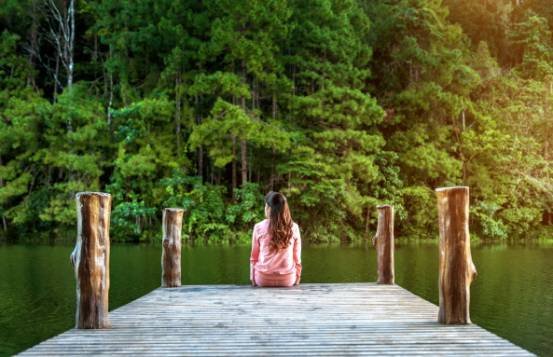
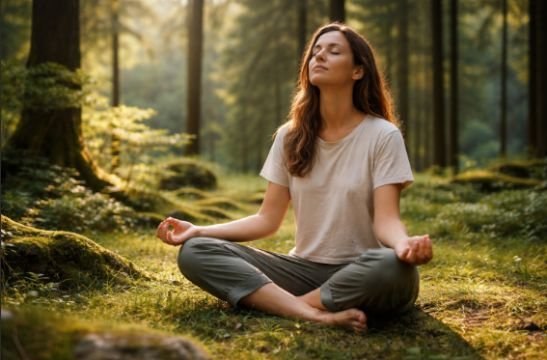
I didn’t realize how disconnected I felt until I started slowing down outside. My days were full, my mind was always racing, and even when I took breaks, I didn’t actually feel rested.
That changed when I discovered simple grounding techniques in nature. Nothing complicated. No strict routines. Just small, intentional ways to reconnect with the present moment.
Once I started practicing them regularly, I noticed something shift. I felt calmer, more focused, and less overwhelmed—even on busy days.
What Are Grounding Techniques in Nature?
Grounding techniques are simple practices that bring your attention back to the present moment using your senses.
When you do them in nature, they become even more effective.
Instead of being stuck in your thoughts, you start noticing what’s around you—the air, the sounds, the textures. That shift alone can help your mind slow down.
This is closely connected to the benefits of spending time in nature, but grounding takes it one step further by making the experience more intentional.
It also helps explain why nature feels so calming. When your senses are engaged in a natural environment, your brain relaxes more easily.
Why Grounding Techniques in Nature Work So Well
What surprised me most was how quickly these techniques work.
You don’t need hours or special conditions. Even a few minutes can make a difference.
When you focus on your senses, your mind stops jumping between thoughts. Your body relaxes, your breathing slows, and you feel more present.
I’ve noticed that this works especially well when I’m feeling stressed or mentally overloaded. It’s like a reset button that’s always available.
How I Started Practicing Grounding Techniques in Nature
I kept it simple at the beginning.
I stepped outside and focused on one thing at a time.
The feeling of the ground under my feet. The sound of leaves moving. The temperature of the air.
I didn’t try to do everything at once. I just allowed myself to notice.
Over time, this became easier and more natural. It also started blending into other habits, like romanticizing nature walks, where I slow down and pay attention instead of rushing.
Simple Grounding Techniques in Nature You Can Try
You don’t need a long routine. The simplest techniques are often the most effective.
One of my favorites is focusing on my breathing while standing or sitting outside. Just noticing each inhale and exhale.
Another is paying attention to what I can see, hear, and feel around me.
Sometimes I walk slowly and focus on each step, which naturally connects to things to do in nature alone that feel calm and intentional.
These small actions don’t take much time, but they create a noticeable shift.
How to Use Grounding Techniques in a Busy Schedule
You don’t need to set aside a lot of time.
I often use easy ways to enjoy nature in a busy schedule by adding grounding moments into what I’m already doing.
Stepping outside for a few minutes between tasks.
Taking a short walk without distractions.
Pausing to notice my surroundings before going back to work.
Even these brief moments can help you reset and refocus.
The Emotional Impact of Grounding in Nature
This is where I noticed the biggest change.
Grounding helps you feel more stable emotionally. Instead of reacting quickly to stress, you feel more balanced.
It creates space between your thoughts and your reactions.
Over time, this makes it easier to handle challenges without feeling overwhelmed.
How Grounding Techniques Connect to a Simpler Lifestyle
As I practiced more, I noticed changes beyond just my mood.
I became more mindful of my habits and choices.
Spending time this way made me appreciate simplicity more, which naturally aligned with habits like a zero waste nature lifestyle.
It’s interesting how something so small can influence how you live overall.
Exploring Deeper Practices Through Grounding
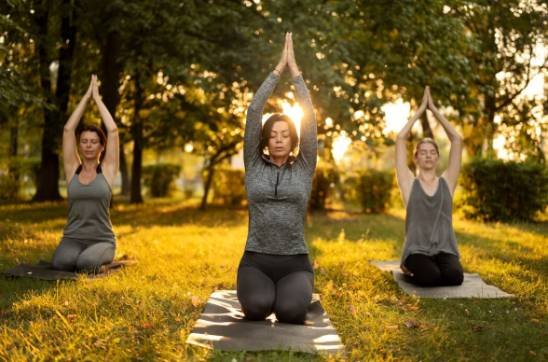
Once I got comfortable with basic grounding, I started exploring deeper practices.
One of them was learning about forest bathing benefits, which focuses on slowing down and fully immersing yourself in nature.
It’s not about doing more—it’s about experiencing more.
Grounding techniques are often the starting point for this kind of deeper connection.
Common Mistakes to Avoid
Trying to do too much at once.
Expecting instant results.
Treating it like a task instead of an experience.
The best approach is to keep it simple and let it feel natural.
FAQs
1. How long should I practice grounding techniques in nature?
Even 5–10 minutes can be effective if you’re fully present.
2. Do I need a quiet place to practice grounding?
Not necessarily. Any outdoor space can work, even if it’s not perfectly quiet.
3. Can grounding techniques help with anxiety?
Yes, they can help calm your mind and reduce stress by bringing your focus to the present moment.
4. Do I need to follow a specific method?
No, you can choose what feels natural and adjust it to your comfort.
Why Grounding in Nature Feels Like a Reset
What I’ve learned from practicing grounding techniques in nature is that you don’t need complicated methods to feel better.
Sometimes, all you need is a moment to pause, breathe, and notice what’s around you.
These small moments create space in your day. They help you feel calmer, clearer, and more connected.
And over time, they become something you naturally return to—because they simply make you feel better.