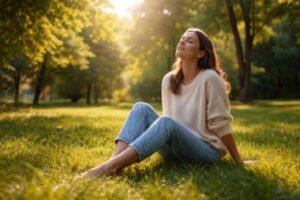
and I’ll be honest—when I first heard the term “forest bathing,” I thought it sounded a little strange. It made me picture something complicated or time-consuming. But once I actually tried it, I realized it’s one of the simplest and most calming things you can do.
Forest bathing isn’t about hiking or exercising. It’s about slowing down, being present, and fully experiencing nature with all your senses. And once I started doing it regularly, I began to notice real changes—not just in how I felt during those moments, but in how I carried myself throughout the day.
If you’ve been curious about the real forest bathing benefits, it goes far beyond relaxation. It’s a complete reset for your mind, body, and lifestyle.
What Is Forest Bathing and Why Does It Work?
Forest bathing, originally known as “Shinrin-yoku,” is the practice of immersing yourself in a natural environment without any specific goal. There’s no rush, no destination, and no pressure to do anything.
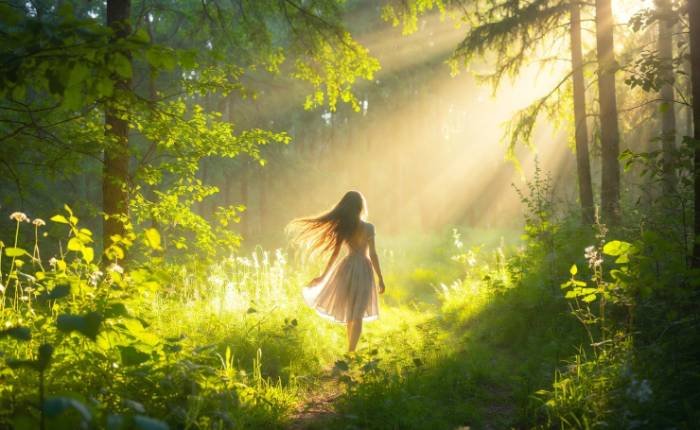
When I first tried it, I realized how different it felt compared to my usual walks. Instead of moving quickly or thinking about what’s next, I slowed down. I paid attention to the sounds around me, the feeling of the air, and even the way light filtered through the trees.
This kind of presence connects deeply with the benefits of spending time in nature, but in a more intentional way. It also helped me understand why nature feels so calming, especially when you allow yourself to fully experience it without distractions.
Mental Forest Bathing Benefits I Noticed First
The first thing I noticed was how quiet my mind became. Not silent, but calmer. The constant mental noise started to fade, and my thoughts felt less overwhelming.
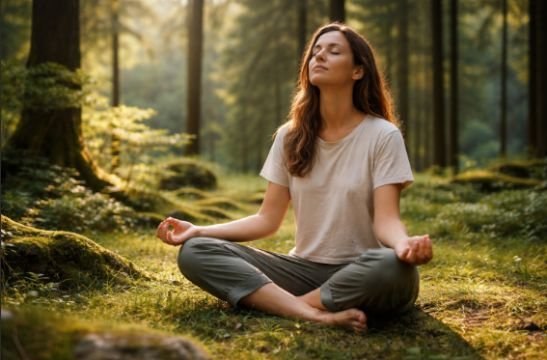
Forest bathing creates space in your mind. Instead of jumping between tasks or worries, you focus on what’s happening right now. That shift alone can reduce stress and anxiety in a very natural way.
I also found that combining this practice with simple grounding techniques in nature—like focusing on my breath or the sensation of walking—made the experience even more powerful. It helped me feel more present and less reactive throughout the day.
How Forest Bathing Affects Your Body
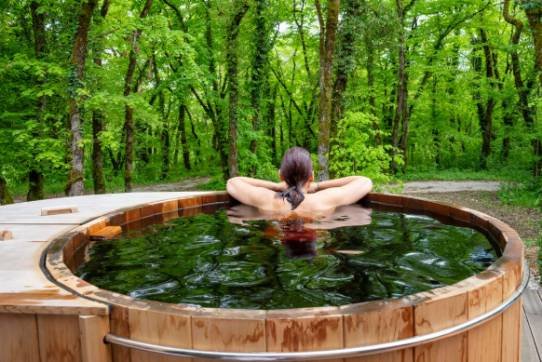
What surprised me most was how physical the benefits felt.
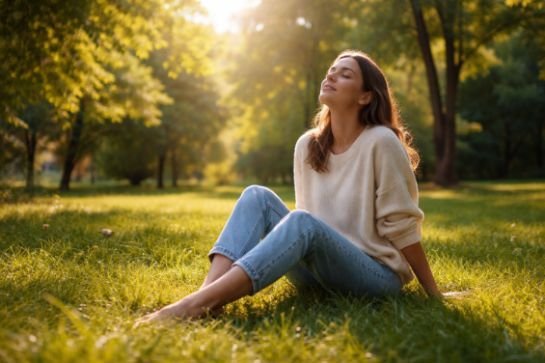
After a session, I felt lighter, more relaxed, and less tense. My breathing slowed down, and my body felt less tight, especially in areas where I usually carry stress.
Spending time in nature like this helps regulate your nervous system. It shifts your body out of a stressed state and into a more relaxed one.
Even on days when I didn’t have much time, I still noticed these effects by incorporating shorter sessions using easy ways to enjoy nature in a busy schedule, like stepping outside and slowing down for just a few minutes.
Emotional Forest Bathing Benefits That Stay With You
Beyond the mental and physical effects, forest bathing has a strong emotional impact.
It creates a sense of calm that feels deeper than just relaxation. It helps you feel more balanced, more grounded, and more connected to yourself.
I’ve noticed that after spending time this way, I’m less likely to feel overwhelmed by small things. My reactions feel more measured, and I have more patience throughout the day.
This also changed how I approach everyday activities. Even something simple like romanticizing nature walks started to feel more natural, because I was already used to slowing down and being present.
How Forest Bathing Changes Your Daily Perspective
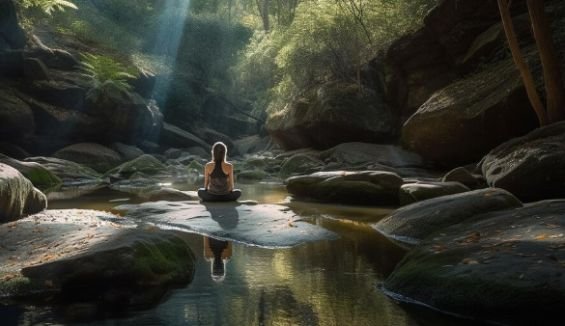
One of the biggest shifts I experienced was in how I saw my daily life.
When you spend time in nature without distractions, you start to appreciate simplicity. You realize you don’t need constant stimulation or activity to feel good.
This perspective carried into other areas of my life. I became more mindful of my habits, my consumption, and how I spend my time.
Over time, this naturally aligned with choices like a zero waste nature lifestyle, where I focused more on simplicity and less on excess.
How to Practice Forest Bathing in Real Life
You don’t need a dense forest or hours of free time to start.
I began with short sessions in nearby green spaces. The key is not the location—it’s the approach.
Walk slowly. Pause often. Notice what’s around you.
Instead of thinking about your next step, focus on what you’re experiencing right now.
Even 15–20 minutes can feel incredibly refreshing when you’re fully present.
If you’re new to this, you can also explore simple solo activities or things to do in nature alone that help you stay engaged while still being mindful.
Common Mistakes to Avoid
At the beginning, I made a few mistakes.
I treated it like a task instead of an experiencetried to “do it right” instead of just letting it happen.
I rushed through it, expecting instant results.
The truth is, forest bathing works best when you stop trying too hard. It’s about letting yourself slow down naturally.
FAQs
1. How long should a forest bathing session be?
Even 20–30 minutes can provide noticeable benefits, especially if you’re fully present.
2. Do I need a forest to experience forest bathing benefits?
No, any natural environment like a park or garden can work just as well.
3. Is forest bathing the same as walking?
Not exactly. Walking is often goal-oriented, while forest bathing focuses on slowing down and being present.
4. Can forest bathing help with stress and anxiety?
Yes, it’s known to reduce stress, calm the mind, and improve emotional balance.
Why Forest Bathing Feels Like a Reset for Modern Life
What I love most about the forest bathing benefits is how simple and accessible they are.
You don’t need special tools, perfect conditions, or extra time. You just need to slow down and allow yourself to be present.
In a world that constantly pushes you to move faster, forest bathing does the opposite. It reminds you to pause, breathe, and reconnect.
And once you experience that shift, even briefly, it becomes something you naturally want to return to.