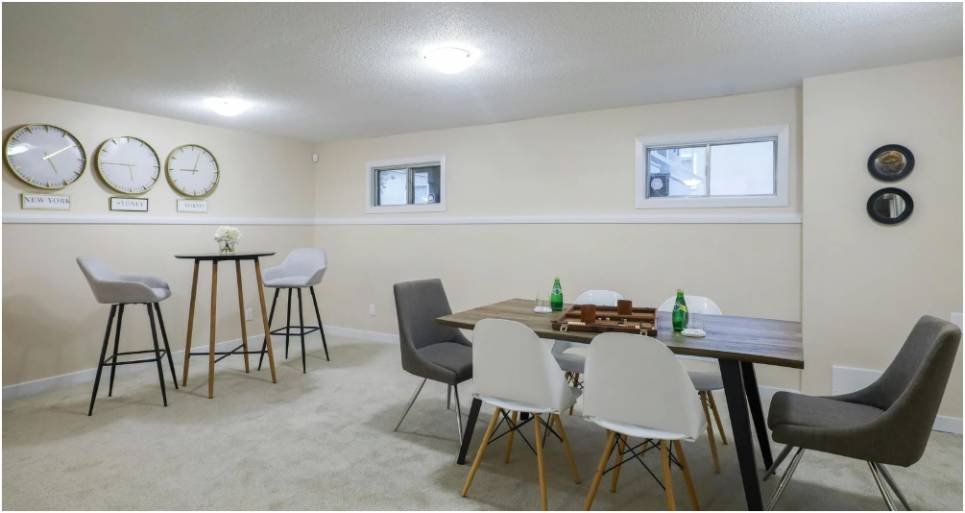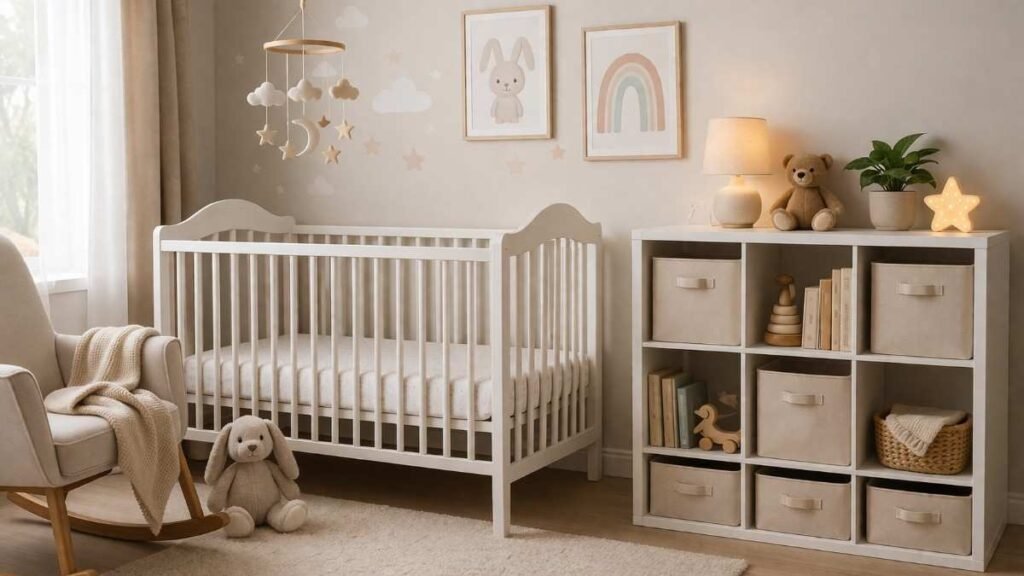
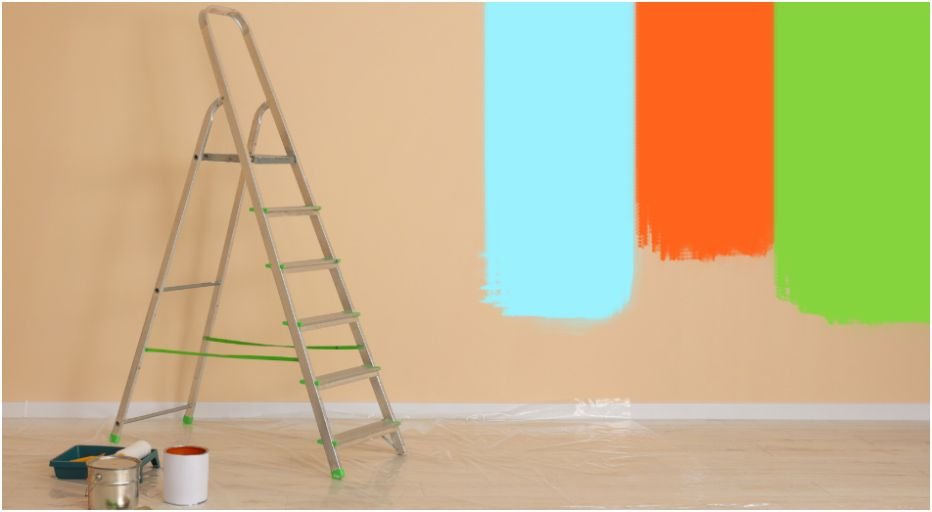
I learned the hard way that choosing the best paint colors for small rooms isn’t just about picking something “pretty.” I once painted a tiny room bright white thinking it would feel bigger—but it ended up looking flat and cold.
After a few experiments (and a couple of repainting weekends), I realized color is more about how a room feels than how it looks on a swatch. Once I started using softer tones, blending edges, and thinking about light, everything changed.
Why Do Best Paint Colors for Small Rooms Matter So Much?
Small rooms don’t give you much room for error. Every color decision shows up instantly, and the wrong shade can make the space feel tighter than it actually is.
I started noticing that darker, high-contrast colors created visual “stops.” My eyes kept hitting edges, which made the room feel boxed in. Once I switched to lighter, more reflective shades, those edges softened.
What surprised me most is that the right color doesn’t just brighten a room—it changes how your brain reads the space. It feels calmer, more open, and easier to live in.
Which Color Families Work Best Paint Colors for Small Rooms?
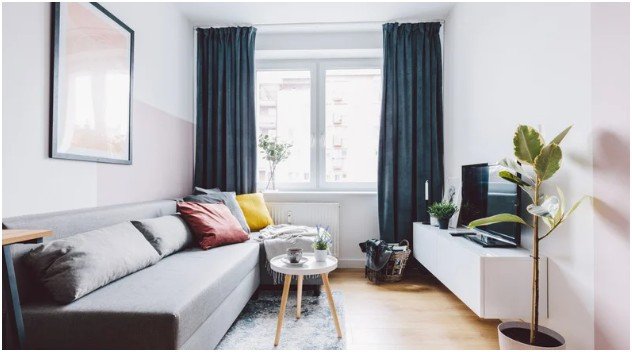
Do Soft Whites And Creams Really Make A Difference?
They absolutely do—but only when you pick the right tone. I moved away from stark white and started using warmer whites like creamy or off-white shades.
These reflect light without feeling harsh. My living room instantly felt softer and more inviting, especially in the evening when artificial lighting kicks in.
Are Cool Tones The Secret To Making Rooms Look Bigger?
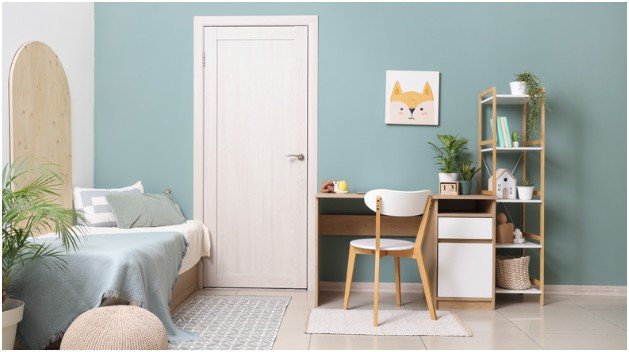
Yes, and this was a game changer for me. Light blues and greens visually “recede,” which means they make walls feel farther away.
I tried a dusty blue in a small bedroom, and it honestly felt like I added square footage. It also created a calm, almost spa-like atmosphere that made the room more relaxing.
Do Greige And Neutrals Still Work In Small Spaces?
I used to think neutrals were boring—until I tried them the right way. Greige (a mix of gray and beige) adds just enough depth without closing in the space.
Once I painted a hallway in a soft greige, it suddenly felt more intentional and less like a tight pass-through. It also made decorating much easier.
Should You Try Bold Ideas With Best Paint Colors for Small Rooms?
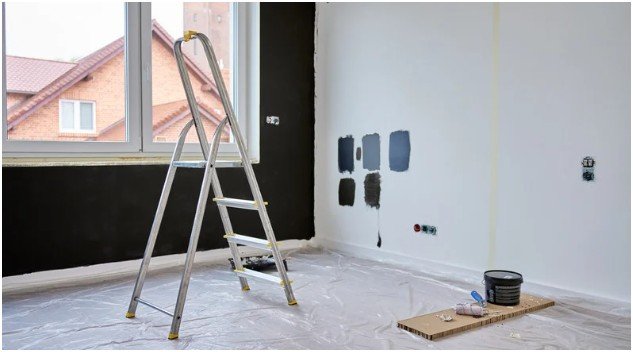
Does Color Drenching Actually Make A Room Feel Bigger?
It sounds risky, but it works. I painted one small bedroom the same color on the walls, trim, and ceiling—and it completely removed visual breaks.
The room felt smoother and more continuous. My eyes didn’t stop at edges anymore, and the space felt surprisingly larger.
Can Dark Colors Work In Small Rooms?
I used to avoid dark colors completely, but I changed my mind after trying a deep navy in a powder room.
Instead of making it feel smaller, it created a cozy, high-end vibe. It felt intentional—like a design choice rather than a limitation.
What Are The Best Paint Colors for Small Bedrooms Specifically?
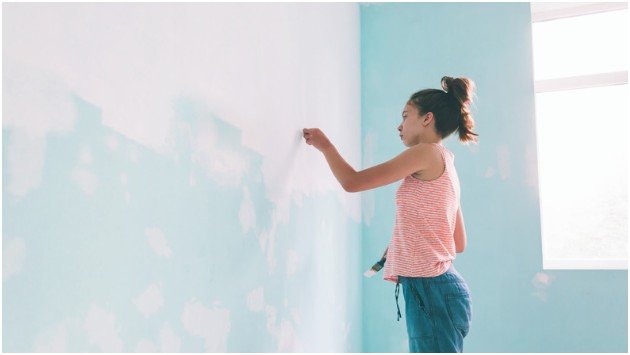
Bedrooms need to feel open and restful, which changes how I approach color.
I noticed that soft blues and greens helped me wind down faster. Sage green, in particular, gave the room a natural, calming vibe without feeling dull.
Pastels also surprised me. A soft blush or lavender added personality while still keeping the space light and breathable. It didn’t feel childish—it felt styled.
What Works Best Paint Colors for Small Kids’ Rooms?
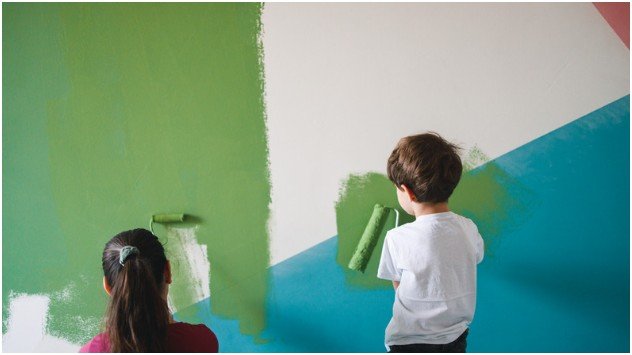
When I helped design a small kids’ room, I realized flexibility matters just as much as color.
We chose a soft sage green base, and it worked for both playtime and quiet moments. It didn’t overstimulate, and it still looked good with changing decor.
I also liked using a two-tone wall—slightly darker on the bottom and lighter on top. It hid scuffs and made the room feel taller at the same time.
How To Choose Best Paint Colors for Small Rooms Step By Step
I follow this routine every time I paint a small space, and it has saved me from making home renovation mistakes.
First, I look at how light moves in the room throughout the day. Natural light changes everything, so I test samples in both morning and evening before deciding.
Next, I choose a base color that reflects light but still has some warmth or softness. Pure white rarely works for me—I prefer off-whites, greiges, or soft tones.
Then, I reduce contrast wherever possible. I either match the trim to the wall or pick a very similar shade. This keeps the room from feeling choppy.
After that, I think about the ceiling. If I want height, I go slightly lighter or use a soft blue. If I want a cozy look, I color drench the entire space.
Finally, I keep the decor in mind. The best results happen when paint, furniture, and lighting all work together instead of competing.
What Simple Tricks Make Small Rooms Feel Bigger Instantly?
| Trick | What I Noticed |
| Same color on walls & trim | Removes visual breaks |
| Light-reflective shades | Brightens and expands space |
| Soft ceiling colors | Adds height illusion |
| Low contrast palette | Makes room feel seamless |
| Strategic dark tones | Creates cozy depth |
I don’t use all of these at once, but even one or two can completely shift how a room feels.
Key Takeaways
- The best paint colors for small rooms focus on light reflection and soft transitions
- Cool tones like blue and green help walls feel farther away
- Greige and warm neutrals add depth without closing in the space
- Color drenching removes boundaries and creates flow
- Smart techniques matter just as much as the color itself
So…Want Your Small Room To Feel Bigger Without Knocking Down Walls?
At this point, I don’t chase trends anymore—I focus on how a room feels when I walk into it.
The best paint colors for small rooms aren’t always the lightest or the safest. They’re the ones that soften edges, reflect light, and create a sense of calm.
If I had to give you one tip, it’s this: test your color in real light and trust how it feels, not just how it looks. That’s where the real transformation happens.
FAQs
1. What is the best color for a very small room?
I usually go for soft whites, greiges, or light blues. These reflect light well and make walls feel farther away without making the space feel cold.
2. Do dark colors make a small room look smaller?
Not always. I’ve used dark shades in tiny spaces, and they created a cozy, stylish look instead of making the room feel cramped.
3. Should ceilings be white in small rooms?
Not necessarily. I’ve had great results with soft blue or light lavender ceilings—they add depth and make the room feel taller.
4. Is greige better than white for small rooms?
In many cases, yes. Greige adds warmth and depth, which makes the space feel more inviting compared to flat white.