I used to treat my backyard like an afterthought—just a place to dump extra chairs and forget about. But once I started experimenting with outdoor patio design ideas, everything changed.
My mornings felt calmer, my evenings became social, and suddenly, my outdoor space worked like an extension of my home. If you’ve ever wanted a patio that actually fits your lifestyle, I’ll walk you through what worked for me—step by step, no fluff.
Key Takeaways
- Your patio should match how you live—relaxing, hosting, or dining
- Earthy tones and natural textures create a timeless 2026 look
- Layered lighting and smart zoning elevate functionality
- Native plants reduce maintenance and improve sustainability
- Small DIY changes can dramatically upgrade your patio
How did I choose outdoor patio design ideas that actually fit my lifestyle?
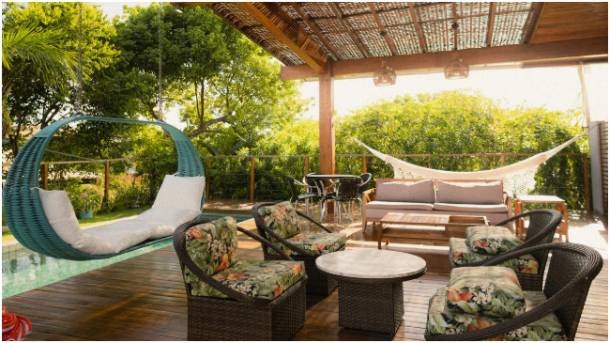
I stopped copying Pinterest-perfect patios and started thinking about how I actually spend time outside. Some days I sip coffee alone, other days I host friends, and sometimes I just want quiet space after work.
So I built my patio in zones. I created a cozy lounge corner with soft seating for slow mornings. Then I added a simple dining setup for weekend dinners. That one shift—designing around real routines—made everything feel intentional.
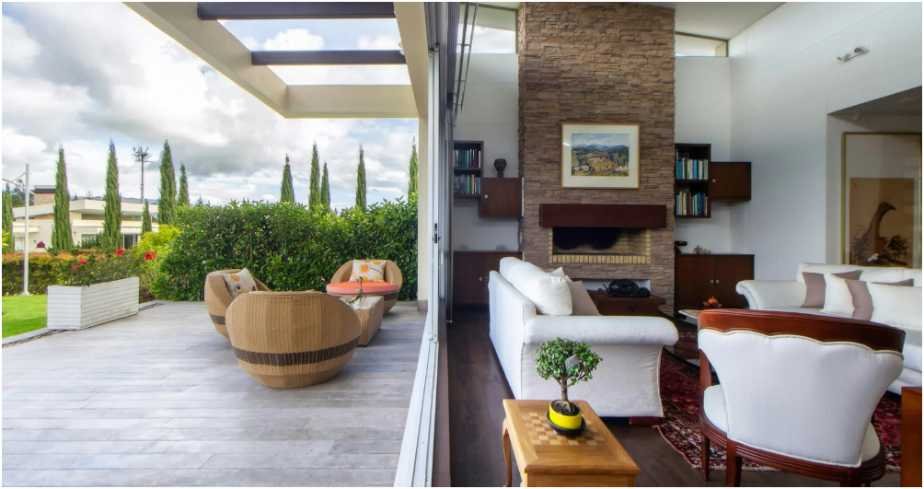
I also paid attention to flow. I didn’t want my patio to feel separate from my home. I matched tones and materials so stepping outside felt seamless, not like entering a different world.
What makes outdoor patio design ideas feel modern in 2026?
The biggest change I noticed this year is the move toward earthy minimalism. Instead of cold greys or overly styled spaces, I leaned into warm tones like sand, terracotta, and soft beige.
These colors feel calming without trying too hard. They remind me of natural landscapes, which instantly makes the space more relaxing. I layered textures like wood, linen, and stone to avoid a flat look.
Curved furniture also made a difference. Straight lines felt rigid, but softer shapes created a more inviting vibe. It’s subtle, but it completely changed how the space feels when you sit down.
How did I design a patio layout that actually works every day?
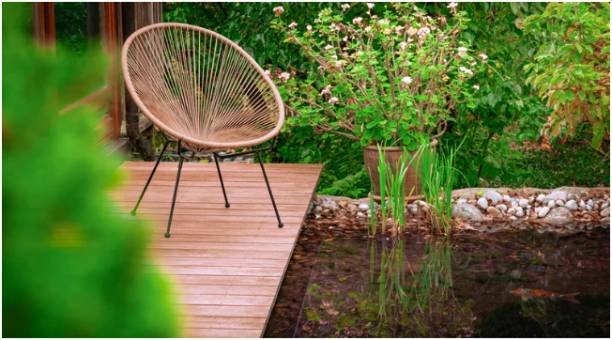
I used to think I needed a huge space to make things functional. Turns out, I just needed better structure. I divided my patio into zones—even without walls.
I used rugs and furniture placement to separate areas. My lounge section sits around a fire pit, while my dining table stays slightly elevated on a different surface. That small change created clear purpose without blocking the view.
If you have limited space, go vertical. I added wall planters and climbing greenery instead of cluttering the floor. It keeps the space open while still feeling lush and styled.
What materials and lighting choices made the biggest impact?
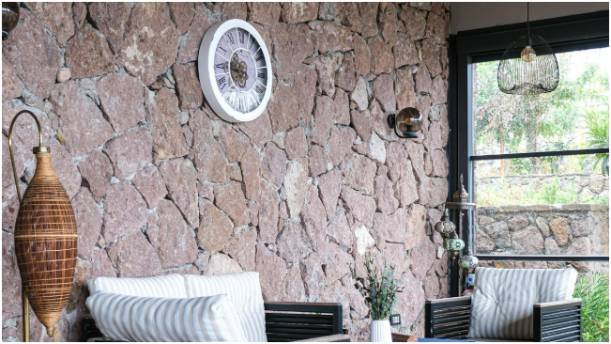
I kept my materials simple but intentional. Poured concrete gave me a clean, modern base. In other areas, I used natural stone to add texture and warmth. For budget-friendly sections, gravel worked surprisingly well and gave a relaxed feel.
Lighting changed everything at night. I layered it instead of relying on one source. String lights created a soft glow overhead, path lights improved safety, and a few accent lights highlighted plants and corners.
Now my patio feels like an indoor living room after sunset—just with fresh air.
Which outdoor patio design ideas helped me create shade and comfort?
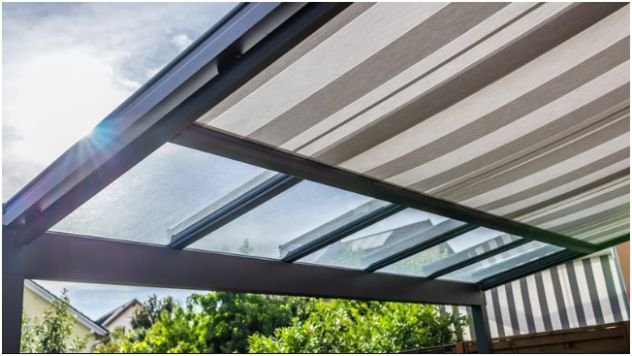
I learned quickly that comfort matters more than aesthetics. If it’s too hot, no one uses the space. I added a pergola for partial shade, which gives that beautiful dappled sunlight effect.
For flexibility, I also used a large umbrella. It’s easy to move depending on where the sun hits. On hotter days, that one detail makes the space usable instead of unbearable.
Shade also makes furniture last longer, which saved me money in the long run.
How did I use landscaping to make my patio feel complete?
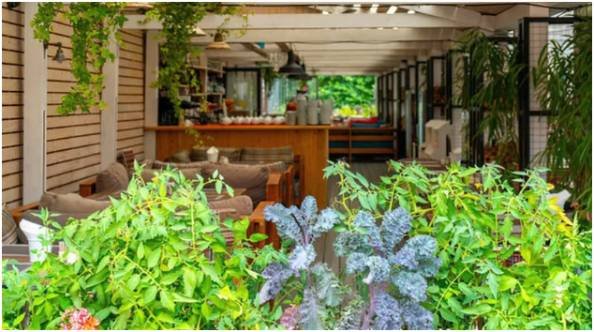
This part made the biggest difference and is essential part of outdoor renovation for small yards. I didn’t just decorate—I planted with purpose. I focused on low-maintenance plants that actually thrive in U.S. climates.
Here’s what worked best for me:
| Plant | Why I Chose It | Zones |
| Russian Sage | Long-lasting color, super tough | 3–9 |
| Coneflower | Attracts pollinators, easy care | 3–9 |
| Sedum | Almost impossible to kill | 3–10 |
| Oakleaf Hydrangea | Seasonal interest, bold look | 5–9 |
I also started paying attention to native plants. They require less water and support local wildlife. My garden feels more alive now, and I spend less time maintaining it.
For privacy, I planted arborvitae along one side. For shaded corners, I used hostas and coral bells. Each plant solved a problem while still looking beautiful.
What simple DIY upgrades made my patio look expensive?
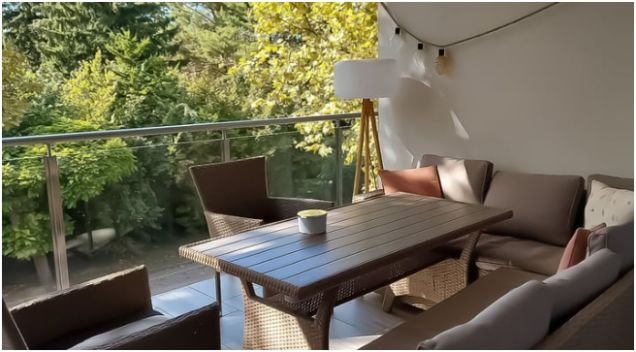
I didn’t spend a fortune—I just made smart changes. One weekend, I painted stripes on my deck using outdoor floor paint. It instantly made the space feel styled and intentional.
I also created a focal point with decorative paving slabs. It added personality without a full renovation. These small upgrades gave my patio a custom feel.
One of my favorite tricks? I filled my unused fireplace with candles during summer. It added warmth and ambiance without any heat.
How to implement outdoor patio design ideas step by step
First, I defined how I wanted to use the space. I asked myself if I needed it for relaxing, hosting, or both. That decision guided everything else.
Next, I mapped out zones. I arranged furniture in a way that naturally created different areas without adding walls. Even small patios can feel structured with the right layout.
Then I chose materials and colors. I stuck to earthy tones and mixed textures to keep things cohesive but interesting. I avoided overcomplicating it.
After that, I added lighting and shade. I layered lighting sources and included at least one flexible shade option to improve comfort.
Finally, I finished with plants and small details. I focused on low-maintenance landscaping and added a few DIY elements to personalize the space.
What are the most common mistakes people make with outdoor patio design ideas?
One mistake I made early on was overfilling the space. Too much furniture made it feel cramped instead of cozy. Leaving some breathing room made everything look better.
Another mistake is ignoring climate. Choosing plants or materials that don’t suit your region leads to constant maintenance. Native and durable options always work better.
Lighting is often an afterthought. But once I layered my lighting properly, the patio became usable at night—and that doubled its value.
FAQs
1. What is the easiest way to upgrade a patio quickly?
Start with lighting and textiles. Adding string lights and outdoor rugs instantly changes the mood without major effort or cost.
2. Which plants are best for low-maintenance patios?
Plants like sedum, coneflowers, and Russian sage work well. They survive tough conditions and require minimal care once established.
3. How can I make a small patio look bigger?
Use vertical greenery and limit bulky furniture. Keeping the floor open while adding height creates a more spacious feel.
4. Do I need a big budget to redesign my patio?
Not at all. Small DIY updates like painted decking or rearranging furniture can completely transform the space.
Why my patio finally feels like my favorite “room”
I stopped chasing perfect designs and started building a space that fits my life. That shift changed everything. My patio now feels like a place I actually want to spend time in, not just something that looks good in photos.
If you take one thing from this, focus on how you live. Build around your routines, keep it simple, and let your space evolve naturally. That’s when it starts to feel like home—even outside.