
I didn’t realize how much money I was wasting until I started paying attention to what I was buying every week. It wasn’t big purchases that were the problem. It was small things, random online orders, duplicate items, subscriptions I forgot about, and things I bought just because they were on sale. None of these felt expensive at the time, but together they were quietly draining my money.
Most people try to save money by budgeting harder, cutting coffee, or tracking every dollar. But the real problem usually isn’t the budget. It’s shopping behavior. If your shopping habits are cluttered, your finances will be cluttered too. When you declutter your shopping behavior, saving money becomes much easier without feeling like you are restricting your life.
Shopping Behavior Matters More Than Budgeting

People often think saving money is about spreadsheets, budgeting apps, or strict financial plans. But money is mostly behavioral. If your spending habits are impulsive, emotional, or unplanned, no budget will work for long.
Decluttering your shopping behavior means removing unnecessary spending decisions, reducing impulse buying, and becoming more intentional with purchases. When you do this, you automatically spend less without constantly trying to control yourself.
Many overspending habits come from:
- Buying things because they are on sale
- Ordering online out of boredom
- Keeping subscriptions you don’t use
- Buying duplicates because you forgot what you already own
- Emotional spending after stressful days
- Upgrading things that still work fine
These habits slowly reduce your ability to save money, even if your income is good.
Why Decluttering Your Shopping Behavior Saves Money
Decluttering your shopping behavior is not just about buying less. It is a financial strategy that removes what you can call “spending noise.” When spending decisions are reduced, your money decisions improve.
Here are some important ways this saves money:
Eliminates Ghost Expenses
Many people pay for subscriptions, apps, memberships, and services they rarely use. These recurring charges slowly eat into your savings without you noticing. Financial decluttering often reveals money leaking every month.
Prevents Duplicate Purchases
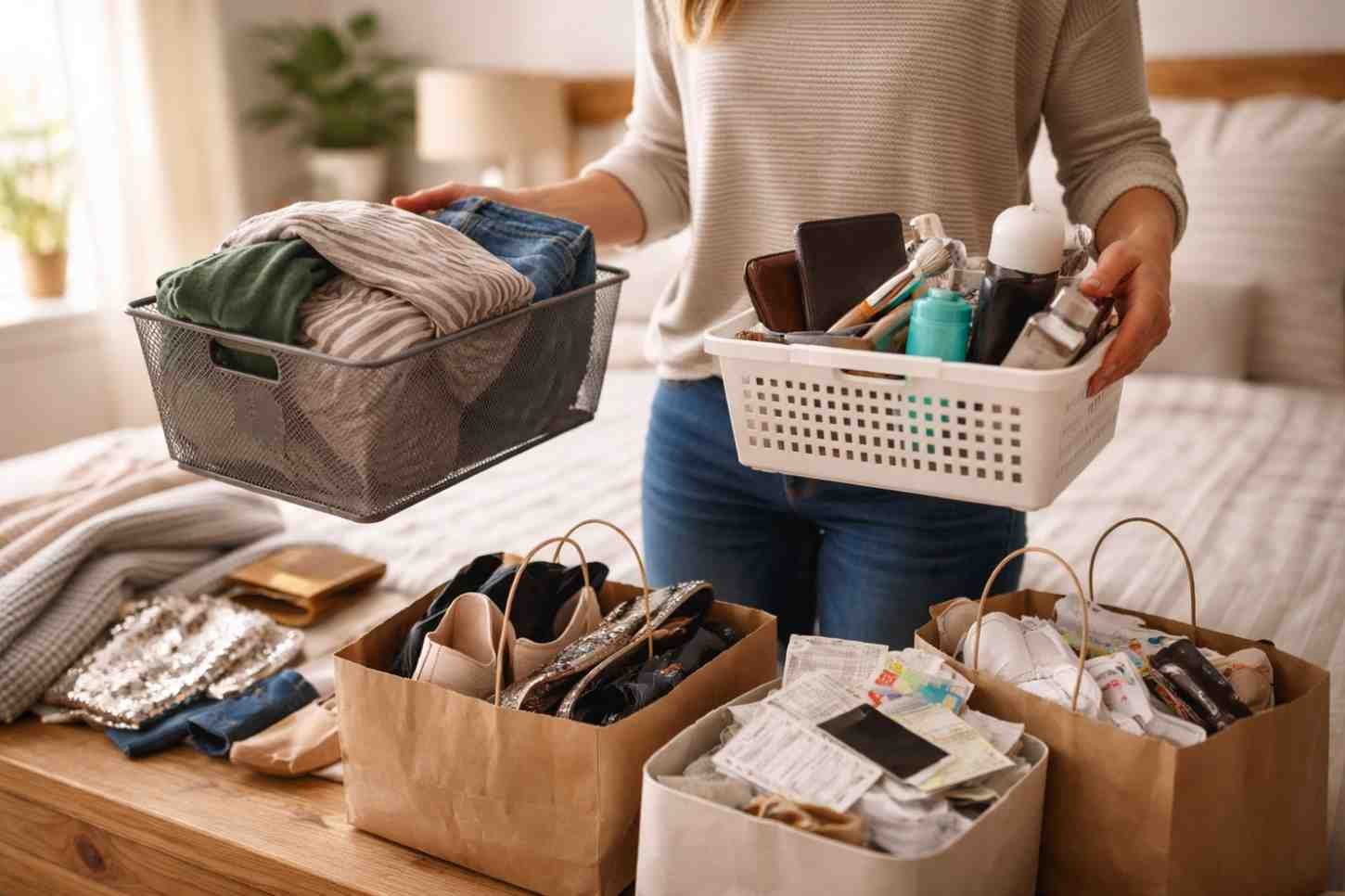
When your home is cluttered, you don’t know what you already own. People often buy things they already have, such as chargers, tools, notebooks, clothes, and kitchen items. Organizing what you own immediately reduces unnecessary purchases.
Reduces Stress Spending
A cluttered environment increases stress and mental overload. Stress often leads to impulse buying because shopping feels like a quick reward. A clean and organized space actually helps improve spending decisions.
Lowers Maintenance And Storage Costs
More stuff means more cleaning, repairing, organizing, and sometimes paying for storage. Owning fewer things reduces these hidden costs.
Turns Clutter Into Cash
Selling unused electronics, furniture, equipment, or collectibles can generate extra money that can go toward savings or debt payments.
The Psychology Behind Impulse Buying

Impulse buying is one of the biggest reasons people struggle to save money. Most purchases are not logical decisions. They are emotional decisions.
Common shopping triggers include:
- Sales and limited-time offers
- Free shipping thresholds
- Social media ads
- Stress or boredom
- Rewarding yourself after a long day
- Fear of missing out
- Easy digital payments
- Buy now, pay later options
Retailers design shopping experiences to make spending easy and fast. One-click purchases, saved cards, and constant discounts reduce the time you have to think before buying. Decluttering your shopping behavior means slowing this process down.
Signs You Need To Declutter Your Shopping Behavior

Many people don’t realize that buying unnecessary things is the reason they can’t save money. Some common signs include:
- You often buy things and rarely use them
- You have multiple unopened or unused items
- You shop when you are bored or stressed
- You forget about subscriptions and recurring payments
- You buy things because they are discounted
- Your house has clutter, but you still keep buying
- You feel guilty after shopping
- You don’t know where your money goes every month
If several of these sound familiar, decluttering your shopping behavior can significantly improve your finances.
Strategies To Declutter Your Shopping Behavior

You don’t need to stop shopping completely. You just need better spending habits and more intentional purchase decisions.
Here are some practical strategies:
- Follow the 24-hour rule before buying non-essential items
- Unsubscribe from promotional emails and shopping apps
- Remove saved cards from shopping websites
- Use the one-in, one-out rule for clothes and gadgets
- Try a no-spend month for non-essential items
- Keep a list of things you want and review it monthly
- Pay with cash for personal spending categories
- Track impulse purchases for one month
- Sell unused items before buying new ones
These small changes reduce impulse buying and help build mindful spending habits.
FAQs: Why You Need To Declutter Your Shopping Behavior To Save More Money
1. How do I start to declutter my shopping behavior?
Start by tracking all your purchases for one month, cancel unused subscriptions, and follow the 24-hour rule before buying anything non-essential.
2. Does decluttering shopping habits really help save money?
Yes, because most unnecessary spending comes from impulse buying, duplicate purchases, and subscriptions. Reducing these can significantly increase savings.
3. What is the 24-hour rule in shopping?
The 24-hour rule means waiting at least one day before buying non-essential items. This reduces impulse buying and helps you decide if you really need the item.
4. How do I stop impulse buying online?
Remove saved cards, unsubscribe from promotional emails, avoid browsing shopping apps, and keep a list of planned purchases instead of buying immediately.
Final Thoughts
Decluttering your shopping behavior is not really about buying less. It is about buying better, buying intentionally, and understanding why you spend money in the first place. Most financial problems are not caused by income but by habits. When you remove unnecessary spending decisions, reduce impulse buying, and become more aware of your shopping habits, saving money becomes much easier and much more natural.
You don’t need a perfect budget. You need better shopping behavior. Fix that, and your finances usually start improving on their own.